Water treatment equipment isn’t usually the first thing people think about when improving a property. A remodeled kitchen or new flooring might seem more exciting. Yet the water flowing through your pipes influences everything from the taste of your morning coffee to the condition of your appliances.
When water quality becomes a recurring concern, purchasing another cleaning product or relying on bottled water may no longer feel like a practical solution.
The installation of water treatment equipment offers an opportunity to address specific problems at their source rather than continually managing their effects.
Still, choosing equipment shouldn’t be a rushed decision. Understanding your water conditions, installation requirements, and long-term maintenance responsibilities can help you invest in something that genuinely improves your property.
Start by Understanding the Water You’re Working With
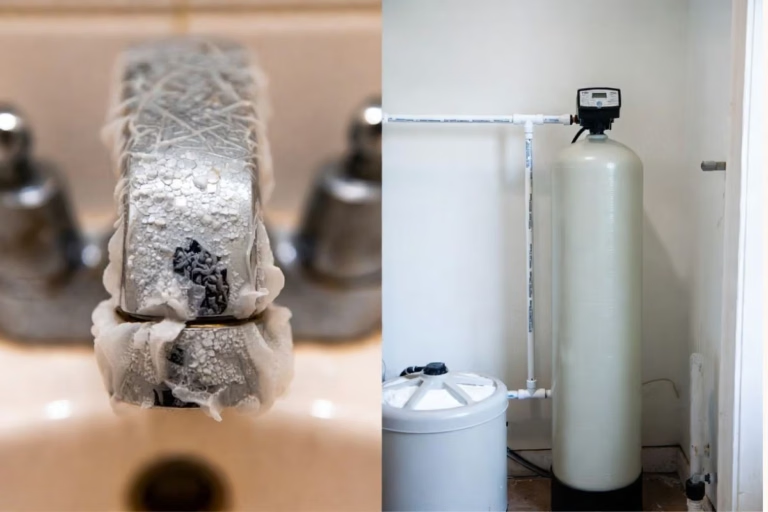
Imagine purchasing an expensive filtration unit because your bathroom faucets are covered in white deposits, only to discover that the equipment doesn’t reduce dissolved hardness minerals.
It’s an easy mistake to make, particularly when so many products promise better water.
Reliable testing helps identify whether your concerns involve excessive calcium and magnesium, suspended particles, unpleasant odors, or specific contaminants requiring specialized treatment.
Understanding these differences allows you to choose equipment based on measurable findings.
For properties using private wells, certified laboratory analysis may be particularly important. Municipal water customers can also benefit from reviewing their supplier’s water quality reports and investigating concerns related to their property’s plumbing.
A little research before purchasing equipment can prevent considerable disappointment afterward.
Different Properties Have Different Water Requirements
A family of four and a restaurant serving hundreds of customers throughout the day clearly won’t use water in the same way.
Selecting appropriate filtration systems for homes and businesses involves considering daily consumption, peak demand, water quality, and the particular activities that depend on treated water.
Homeowners might prioritize better drinking water, reduced mineral deposits, and appliance protection. Business owners may have additional concerns involving commercial machinery, beverage preparation, or laundry operations.
Take a small coffee shop, for example. Water characteristics can influence beverage flavor and contribute to mineral buildup inside expensive brewing equipment.
A residential drinking water filter might be completely unsuitable for that level of demand.
Properly sized equipment should accommodate realistic usage without creating unnecessary operating expenses or noticeable restrictions in water flow.
Why Installation Quality Matters More Than You Might Think
Even an excellent filtration unit can disappoint if it’s installed incorrectly.
A professional water system setup involves more than connecting equipment to existing plumbing. It requires attention to water pressure, drainage, equipment positioning, compatible materials, and manufacturer specifications.
Depending on the technology involved, electrical connections or additional plumbing modifications may also be necessary.
An experienced installer should assess these requirements before the work begins.
Once installation is complete, appropriate flushing, operational checks, and leak inspections help establish whether everything is functioning correctly.
There’s also the question of future servicing. Equipment positioned in an inconvenient location can make something as simple as changing a filter unnecessarily difficult.
Getting these details right from the beginning helps make long-term ownership much more manageable.
Finding the Right Balance Between Cost and Performance
Water treatment equipment comes in a wide range of prices. Some systems are relatively inexpensive, while others represent a considerable investment.
Naturally, most property owners want to get good value for their money.
However, comparing purchase prices alone doesn’t provide the complete picture. Replacement filters, water consumption during treatment, regeneration supplies, and professional maintenance can influence overall expenses.
Ask suppliers to explain anticipated operating costs before purchasing equipment.
It’s also worth checking independently verified treatment claims. A product should be capable of addressing the particular substances identified in your water rather than simply offering an impressive list of features.
Sometimes, a modest filtration arrangement provides better practical value than a complicated system with capabilities your property doesn’t require.
Planning Equipment Placement Before Installation Day
Here’s something that’s surprisingly easy to overlook: where exactly will your treatment equipment go?
Larger systems may require space near the property’s main water supply, while compact drinking water units can often fit beneath a kitchen sink.
Nevertheless, adequate maintenance clearance remains important.
Consider drainage access, protection from freezing temperatures, electrical requirements, and the space needed to replace filters or replenish treatment supplies.
For commercial properties, equipment placement should also minimize interference with everyday operations.
Nobody wants routine maintenance to become an obstacle during the busiest part of the working day.
Discussing these practical details beforehand can prevent unnecessary modifications and make future servicing considerably easier.
Regular Maintenance Protects Your Water Treatment Investment
Installing equipment isn’t the end of the journey. Like most household and commercial appliances, water treatment units need occasional attention.
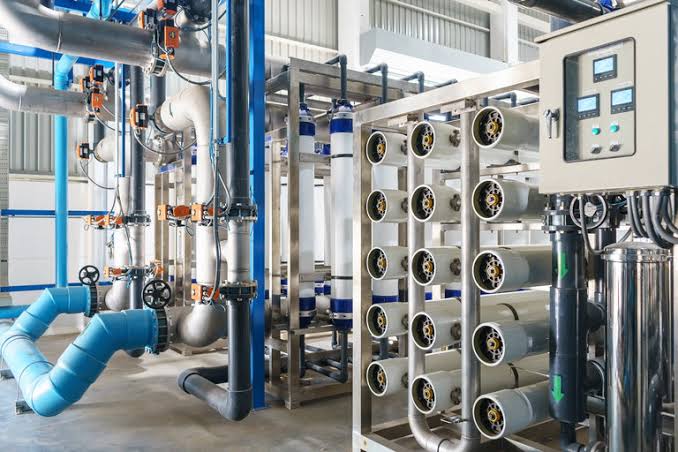
Filter media eventually becomes exhausted, traditional softeners require regeneration supplies, and membrane-based equipment needs periodic servicing.
Keep track of maintenance dates rather than waiting until performance noticeably declines.
Follow-up water testing can also help confirm whether equipment is addressing the intended concerns, particularly when treatment targets potentially harmful contaminants.
These habits help preserve the system’s intended performance and make developing problems easier to recognize.
Better Water Should Make Everyday Life Simpler
The real value of suitable water treatment becomes apparent through everyday experiences. Perhaps your drinking water tastes more enjoyable, your bathroom fixtures require less scrubbing, or your commercial equipment experiences fewer scale-related maintenance problems.
These improvements may seem small individually, but they can make a meaningful difference over time.
Start with accurate information, select equipment that matches your requirements, and prioritize dependable installation and maintenance.
You don’t need the most complicated technology available to enjoy better water. You need equipment that serves a genuine purpose and works reliably.
After all, a worthwhile property improvement should make life easier, not give you another thing to worry about.