A good glass of water shouldn’t be something you have to think twice about. Yet for many households, an unpleasant mineral taste or lingering chemical flavor makes drinking straight from the tap less appealing. Bottled water becomes the easy alternative, but the expense, storage requirements, and endless plastic containers can get tiresome.
Modern reverse osmosis water filter systems offer a practical alternative for homeowners who want to address specific drinking water concerns while enjoying convenient access to treated water.
Choosing the right system, however, takes a little research. There are differences in design, filtration capacity, water efficiency, and maintenance requirements that can influence how well the equipment fits into your daily life.
What Makes Reverse Osmosis Worth Considering?
Ordinary water filters can be surprisingly effective at addressing certain concerns. Activated carbon, for example, can reduce specific unwanted tastes and odors. However, it doesn’t necessarily address the wider range of dissolved substances that membrane filtration can reduce.
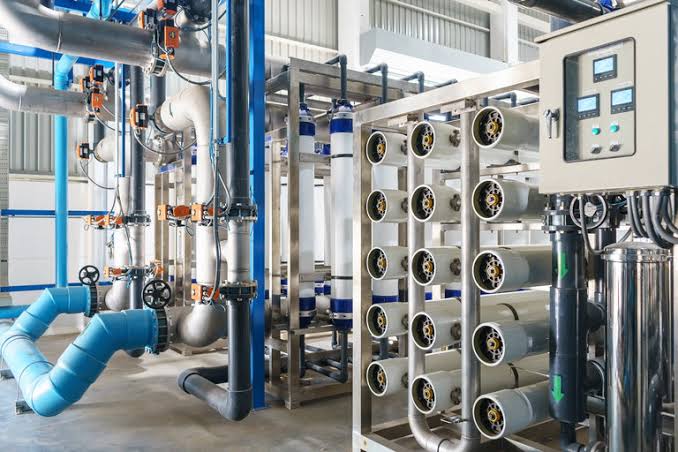
Reverse osmosis uses water pressure to push water through a semipermeable membrane. Many dissolved substances are rejected by the membrane and carried away through a separate discharge stream.
Most residential systems also include preliminary sediment and carbon filters, which help protect the membrane and support overall treatment performance.
Depending on verified equipment capabilities, reverse osmosis can reduce certain metals, nitrates, dissolved salts, and other targeted contaminants.
It’s a useful technology, although it shouldn’t be mistaken for a universal solution to every water quality concern.
Understanding the Different Types of Reverse Osmosis Systems
One of the first things you’ll notice when shopping for filtration equipment is how different the available systems look. Some include bulky storage tanks, while others feature slim, modern designs.
When exploring reverse osmosis options, homeowners should consider whether a traditional tank-based system or a tankless arrangement would better suit their kitchen and drinking water habits.
Traditional systems store treated water in a dedicated tank, making it available when needed. Tankless models generally produce water on demand and may offer space-saving advantages.
Countertop units are another possibility, particularly for renters or households with limited installation flexibility.
Each configuration has its own practical considerations, including production capacity, installation requirements, and maintenance expenses.
The best choice is usually the one that fits your lifestyle rather than the one with the most impressive appearance.
Matching Filtration Capabilities to Your Water Quality
It can be tempting to purchase a system simply because it has several filtration stages. But more stages don’t automatically translate into better results.
When comparing reverse osmosis filtration options, look closely at independently verified contaminant reduction capabilities, incoming water conditions, replacement filter requirements, and overall treatment efficiency.
Some systems include additional carbon polishing filters to improve taste. Others incorporate remineralization cartridges for people who prefer a particular mineral balance in their drinking water.
Before deciding which features are worthwhile, arrange appropriate water testing.
Municipal water customers can also review available water quality reports, while private well owners may require more comprehensive laboratory analysis.
Knowing what’s present in your water makes selecting suitable equipment much easier, and it could save you from spending money on unnecessary components.
Enjoying the Difference in Your Everyday Kitchen Routine
Water rarely gets much attention as an ingredient, but it plays an important role in many things we prepare at home.
Think about freshly brewed coffee, homemade vegetable soup, or the pitcher of iced tea you make on a warm afternoon.
An unpleasant flavor in your water can sometimes influence the finished result. Appropriate filtration may provide a more neutral-tasting starting point.
Of course, personal preferences vary. Some coffee enthusiasts appreciate water with specific mineral characteristics, so completely minimizing mineral content isn’t necessarily everyone’s goal.
Beyond cooking, there’s the simple convenience of filling a reusable bottle before work or school without opening another plastic container.
It’s a small change that can gradually become one of your favorite household improvements.
Considering the Financial and Environmental Benefits
Buying bottled water occasionally might not seem like a significant expense. But those purchases can add up when an entire family depends on packaged water every day.
Installing suitable kitchen filtration may help reduce these recurring purchases while decreasing the amount of disposable packaging your household generates.
However, reverse osmosis equipment comes with its own operating costs and environmental considerations.
The treatment process produces reject water, and replacement cartridges eventually require disposal. Certain models also consume electricity.
Comparing system efficiency, filter prices, and expected maintenance expenses can help you determine whether the investment makes sense for your household.
Keeping Your Filtration System Working as Intended
Once filtration equipment is tucked beneath the kitchen sink, it’s easy to forget about it entirely.
Nevertheless, regular maintenance is essential. Preliminary filters gradually accumulate debris or lose effectiveness, while membranes eventually require replacement.
Follow manufacturer servicing recommendations and keep a simple record of maintenance dates.
If water flow slows considerably or an unfamiliar taste returns, arrange an inspection.
Periodic testing is especially important when equipment is intended to reduce potentially harmful contaminants. Better taste alone doesn’t establish drinking water safety.
Making Better Drinking Water a Lasting Household Improvement
Choosing a reverse osmosis system doesn’t need to become a complicated home improvement project.
Start with reliable water testing, consider your family’s daily requirements, and select equipment that offers demonstrated treatment capabilities.
Ultimately, the real value of drinking water filtration lies in familiar moments. Preparing a delicious meal, enjoying your morning coffee, or reaching for a refreshing glass of water after a busy day.
Having water that meets your household’s needs is a simple comfort, but certainly one worth investing in.