There are plenty of household jobs that demand attention, but water treatment usually isn’t one people think about every week. You might remember to change the kitchen filter when the water starts tasting different, or refill the softener only after the warning light catches your eye. Life gets busy, after all. Still, a little routine care can make a real difference to how well a water system performs and how long its components last.
Whether your home has a drinking-water filter, a water softener, or a more extensive filtration setup, maintenance is part of the deal. The good news is that looking after these systems doesn’t have to be complicated. Knowing what to check, when to arrange service, and which warning signs deserve attention can save time and prevent avoidable problems.
Small Changes Can Tell You Something Important
Water systems often give subtle hints when something needs attention. Perhaps the pressure at the kitchen faucet seems weaker than usual. Maybe the water develops an unfamiliar taste, or white deposits begin appearing around the showerhead again. These changes don’t automatically mean the equipment has failed, but they are worth investigating.
For example, recurring sediment issues may indicate that particles are entering the water supply or that a filter needs servicing. Sediment can include sand, rust particles, and other suspended material. Depending on the source, it may collect in filter housings, clog cartridges, or settle in plumbing fixtures.
A sediment filter is designed to capture particles within its specified range, but it has a limited capacity. As material accumulates, water flow may decrease. Replacing the cartridge according to the manufacturer’s schedule helps maintain performance, although the actual interval depends on the water conditions and household usage.
If sediment returns unusually quickly after a filter change, don’t simply keep replacing cartridges and hope for the best. The underlying source may need investigation. A water test or professional inspection can help establish whether the issue comes from the supply, plumbing, or treatment equipment.
Give Filters the Attention They Need
Filters are easy to forget because they’re usually hidden beneath a sink, inside a cabinet, or near the point where water enters the house. Unlike a leaking faucet, an exhausted cartridge doesn’t always provide an obvious warning.
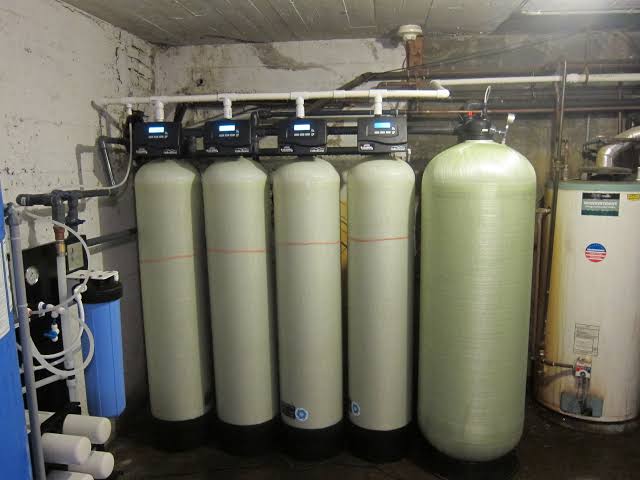
Different filter types have different service requirements. Activated carbon cartridges may reduce certain tastes and odors, while sediment filters capture particles. Reverse osmosis systems use a membrane alongside other filter stages, and each component has its own replacement interval. The manufacturer’s instructions should be your main reference.
Don’t rely entirely on taste or appearance to decide when a filter needs changing. Some substances aren’t visible, and a cartridge may reach the end of its useful life without producing an obvious change in the water. Keep a simple record of installation and replacement dates, and set a reminder if necessary.
It’s also important to use compatible replacement parts. A cartridge that fits physically may not deliver the performance expected from the original system. Check the model number, specifications, and any relevant certification information before purchasing replacements.
When changing filters, follow the manufacturer’s instructions for shutting off the water, relieving pressure, cleaning components, and flushing the system afterward. If you’re unsure about a procedure, ask a qualified technician rather than risking a leak or damaging a connection.
Don’t Forget About Water Softeners
Water softeners need a slightly different kind of attention. Conventional ion-exchange units reduce hardness minerals, mainly calcium and magnesium, by exchanging them for other ions. These systems typically regenerate periodically to restore their treatment capacity.
Check the brine tank regularly and make sure it contains the required amount of salt. If the level remains low, the system may not regenerate as intended. At the same time, avoid filling the tank beyond the manufacturer’s recommended level or ignoring hardened salt deposits that interfere with normal operation.
Reliable salt delivery can make routine maintenance easier for households that use a salt-based softener. Having supplies available before the tank runs low helps prevent unnecessary interruptions. The appropriate salt type and quantity depend on the equipment, so check the owner’s manual rather than assuming every product is suitable.
Pay attention to changes in water hardness, too. If scale starts returning to faucets or soap seems less effective, the softener may need attention. Possible causes include low salt, a regeneration problem, incorrect settings, or changes in the incoming water. A quick check may resolve a simple issue, while persistent problems deserve professional service.
Remember that softening isn’t the same as purification. A softener is designed primarily to reduce hardness minerals, not to remove every contaminant. If your household has additional water-treatment needs, those should be assessed separately.
When Water Quality Changes, Investigate the Cause
Sometimes the equipment appears to be working normally, yet the water itself changes. It may develop an unusual odor, look cloudy, or leave new stains on sinks and laundry. These symptoms can have several causes, which is why guessing at a treatment solution can be frustrating.
Persistent water quality concerns deserve attention beyond a quick filter replacement. Start by noting what has changed, when it began, and whether it affects every faucet or only certain fixtures. Check whether the problem occurs with hot water, cold water, or both. These observations can help a water professional narrow down possible causes.
Testing is particularly important when there may be a health-related issue. Clear water isn’t necessarily free from all contaminants, and an unusual taste doesn’t automatically establish that the supply is unsafe. Depending on the water source and the concern, testing may need to include hardness, pH, bacteria, nitrates, metals, or other substances.
Municipal water customers can review their supplier’s published water-quality report as a starting point. Private well owners should follow appropriate testing guidance for their location and water source. If you suspect contamination, use a suitable testing method and follow advice from your local health authority or water supplier.
A treatment system should be selected according to the results. A sediment filter won’t necessarily address dissolved substances, and a carbon cartridge isn’t a universal solution for microbiological problems. Matching treatment to the actual concern is safer and usually more economical.
Routine Servicing Can Prevent Bigger Problems
Some maintenance tasks are straightforward enough for homeowners, but others call for professional help. Leaks, damaged connections, unusual noises, repeated pressure changes, and persistent performance problems should not be ignored.
A service visit can include checking connections, inspecting filter housings, reviewing softener settings, and confirming that the equipment is operating as intended. The exact work depends on the system and its condition. Ask the technician to explain any recommended repairs and provide a clear estimate before additional work begins.
Regular servicing can also help identify worn components before they cause a larger disruption. That doesn’t mean every household needs the same maintenance schedule. Water conditions, system design, usage, and manufacturer recommendations all play a part.
Keep service records alongside your filter-change dates and water-test results. Having this information available makes future troubleshooting easier and helps you understand whether a problem is recurring.
Build a Maintenance Routine That Works
You don’t need an elaborate checklist to keep your water system in good shape. A few simple habits can help: check filter dates, monitor softener salt levels, look for leaks, and pay attention to changes in water flow, taste, odor, or staining. Arrange professional inspections when the equipment requires them.
The key is consistency. Waiting until something stops working can turn a small maintenance task into an inconvenient repair. A little attention throughout the year helps keep the system performing as intended and makes household water easier to manage.
Most importantly, don’t assume every change calls for new equipment. Sometimes a routine service or replacement cartridge is enough. In other cases, testing may reveal a different underlying issue. Taking time to understand the cause helps you spend money where it matters and maintain confidence in the water you use every day.