Water is part of almost everything we do, from making the morning coffee to washing vegetables and taking a shower after a long day. Yet many homeowners rarely think about what’s actually in their water until something changes. An unusual smell, stubborn mineral deposits, or an unpleasant taste can raise questions that aren’t always easy to answer.
The good news is that modern water treatment offers several ways to address these concerns. Ozone treatment is one option worth understanding, particularly for certain disinfection and oxidation needs. However, it isn’t the right answer for every water problem. Choosing wisely starts with knowing your water source, identifying the issue, and understanding what different technologies can realistically achieve.
What Makes Ozone Different?
Ozone is a form of oxygen made up of three oxygen atoms. In water treatment, it acts as a strong oxidizing agent, meaning it can react with certain dissolved substances and microorganisms. Under appropriate conditions, it can help disinfect water, reduce some unwanted odors, and change certain compounds into forms that are easier to remove through additional treatment.
Unlike some disinfectants, ozone breaks down relatively quickly into oxygen. That can be useful in applications where a lasting chemical residual isn’t the main objective. But this characteristic also means ozone generally does not provide ongoing protection against contamination farther along the plumbing system.
The results depend on several factors, including water temperature, pH, contaminant levels, contact time, and the design of the equipment. Simply adding ozone to water doesn’t guarantee safe or effective treatment. A properly designed system needs to account for the water’s characteristics and the purpose of treatment.
When Is Ozone Treatment Worth Considering?
For some properties, ozone water treatment systems can be a useful part of a broader water management plan. They may be considered when testing identifies specific microorganisms, odor-causing compounds, or other substances that ozone is capable of addressing.
For example, a property owner dealing with certain well-water quality issues may explore oxidation as one stage of treatment. In other settings, ozone may be used alongside filtration to help address particular water conditions. The appropriate setup depends on the problem, and follow-up treatment may be necessary to remove particles or reaction by-products.
There is an important limitation to keep in mind: ozone doesn’t remove every dissolved contaminant. It isn’t a universal solution for hardness, salts, nitrate, or all industrial chemicals. Some oxidation reactions can also create by-products, depending on what is present in the source water. These possibilities should be assessed before installation.
Water testing helps determine whether ozone makes sense in the first place. Without that information, homeowners may end up paying for sophisticated equipment that doesn’t solve their actual concern.
Understanding Your Water Before Buying Equipment
Water that looks clear isn’t necessarily free of contaminants. Likewise, water with a noticeable smell isn’t automatically unsafe. Appearance, taste, and odor can provide clues, but they cannot establish overall water quality.
Start by identifying whether your home receives municipal water or relies on a private well. Municipal suppliers generally treat and monitor water before distribution, although plumbing within a property can still affect its quality. Private well owners have a different responsibility: testing their supply regularly according to local guidance.
A suitable laboratory test may examine pH, hardness, iron, manganese, bacteria, nitrate, or other substances based on the source and suspected problem. Not every household needs every possible test. The goal is to select the right tests rather than spend money collecting information that doesn’t help with the decision.
Once you have the results, discuss them with a qualified water treatment professional. Ask which contaminants need attention, which treatment methods are appropriate, and whether additional testing should be performed after installation.
Exploring Different Ozone Treatment Solutions
There isn’t just one way to incorporate ozone into a water treatment setup. Equipment varies according to the amount of water being treated, the contaminants involved, and whether the application is residential, commercial, or specialized.
Well-designed ozone water treatment solutions typically involve more than an ozone generator alone. Depending on the application, the equipment may include an ozone injection method, a contact chamber, monitoring components, and filtration to remove oxidized particles. Safe handling and ventilation also matter because ozone gas can irritate the respiratory system.
Installation should account for the possibility of ozone escaping into occupied spaces. A suitable system is designed and installed to minimize exposure, with safety controls appropriate to the equipment. Homeowners shouldn’t improvise gas connections or operate equipment contrary to the manufacturer’s instructions.
It’s also worth asking how the system will be monitored. Some applications require periodic checks of operating conditions or water quality to confirm the treatment remains effective. A provider should be able to explain these requirements in straightforward language, not just describe the equipment’s technical features.
Do You Need a Whole-House Purification System?
Ozone is only one piece of the water treatment picture. Some homeowners need to address a specific problem at a kitchen tap, while others want to improve water quality throughout the property. The right choice depends on what the testing reveals and where the problem occurs.
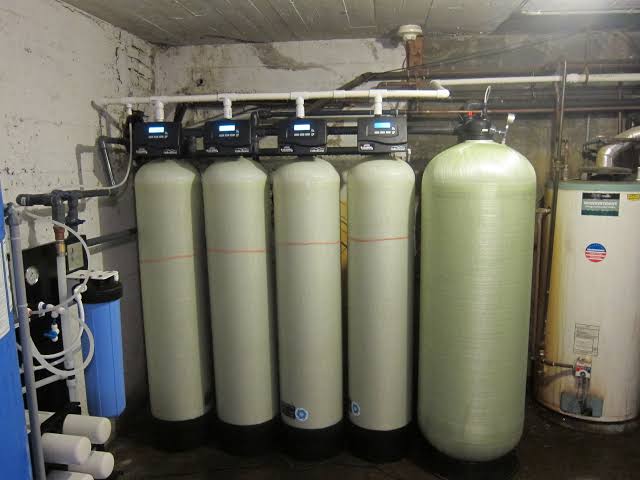
Whole house water purification systems treat water entering the home, potentially improving the quality of water supplied to showers, laundry facilities, kitchen taps, and other fixtures. The exact level of treatment varies considerably between systems. Some focus on sediment and chlorine-related taste or odor, while others combine several technologies to address a wider range of concerns.
A whole-house setup may be helpful when an identified issue affects multiple outlets. For drinking water, however, a separate point-of-use system may be more practical, particularly when the concern involves specific dissolved contaminants that require a technology such as reverse osmosis.
It’s important not to confuse filtration, softening, and disinfection. A water softener primarily addresses hardness minerals. A sediment filter captures particles. Activated carbon can reduce certain chemicals and improve taste and odor. Disinfection methods target microorganisms under specified conditions. These technologies serve different purposes, and a system may need more than one stage.
What Should You Ask Before Installation?
Before purchasing any water treatment equipment, ask the provider to connect the proposed system to your actual test results. A recommendation should explain what the equipment is intended to reduce, what it cannot remove, and whether additional treatment is necessary.
Installation costs are only part of the equation. Replacement components, energy use, servicing, and periodic water testing can affect the long-term cost of ownership. Ask how often maintenance is expected and whether parts are readily available.
It is also sensible to check product certifications relevant to the intended use. A certification for one performance claim doesn’t automatically mean a device removes every contaminant. Look for evidence that supports the specific treatment function you need.
Finally, avoid rushing into a purchase because of alarming sales claims. If someone promises that a single device will eliminate every possible water concern, ask for reliable documentation. A trustworthy professional should be willing to discuss limitations and explain alternative approaches.
Better Water Begins With Better Information
Water treatment doesn’t have to be complicated, but it does require a little patience. Start with a clear understanding of your source water, choose equipment based on measured needs, and make sure the installation includes appropriate safety measures and a realistic maintenance plan.
Ozone can be an effective tool in suitable applications, while filtration, softening, and other purification technologies address different concerns. Sometimes the best approach is a combination of methods. In other cases, a simpler solution will do the job perfectly well.
The important thing is to avoid treating every water problem as if it were the same. When homeowners understand the difference between treatment technologies and seek advice grounded in actual water quality results, they can make more confident decisions. Better water isn’t just about buying equipment; it’s about choosing a solution that makes sense for the home and maintaining it properly over time.