Most people don’t think much about their home’s plumbing until something goes wrong. A drain slows down before guests arrive, the shower suddenly turns cold, or a small leak appears under the kitchen sink. These things rarely happen at a convenient time. And while some plumbing issues are easy enough to handle, others can lead to expensive repairs if they’re ignored for too long.
A little knowledge goes a long way. Understanding how the main plumbing systems work, recognizing early warning signs, and keeping up with routine maintenance can help homeowners avoid unnecessary stress. You don’t need to become a professional plumber, either. Knowing what to look for is often enough to catch a problem before it becomes a major headache.
Small Plumbing Warning Signs Are Worth Noticing
A dripping faucet might seem harmless, especially if the water disappears straight down the drain. But persistent leaks waste water, can increase utility bills, and sometimes indicate worn washers, damaged seals, or a failing fixture. The same goes for water stains on cabinets, bubbling paint near pipes, or a musty smell that never quite goes away.
Pay attention to changes rather than waiting for a complete failure. A toilet that keeps running, for example, may need a replacement flapper or an adjustment to its fill valve. A drain that repeatedly backs up could point to a deeper blockage. These problems aren’t always emergencies, but they deserve attention.
It’s also useful to know where the main water shutoff valve is located. If a pipe bursts or a connection suddenly fails, shutting off the supply quickly can limit damage. Take a moment to locate it now, before water is spreading across the floor. In an emergency, that simple bit of preparation can save a great deal of trouble.
Keeping Basement Water Under Control
For homes with basements or crawl spaces, unwanted water can become a serious concern during heavy rain, snowmelt, or periods of rising groundwater. Even a small amount of water can damage stored belongings, encourage mold growth, and create lingering odors. In areas where drainage is a recurring issue, a dependable water removal system may be essential.
Many properties use sump pumps to collect groundwater in a pit and move it away from the foundation. When water reaches a certain level, the pump activates and directs it through a discharge line. The system helps manage water accumulation, but it works only when the pump, float switch, power supply, and discharge route are functioning properly.
Homeowners should inspect the sump pit periodically, remove debris where appropriate, and check that the discharge pipe isn’t blocked or directing water back toward the foundation. Follow the manufacturer’s instructions when testing the pump. If the basement has flooded before or the area experiences frequent power outages, ask a professional whether a battery backup or another backup arrangement makes sense.
A pump can run for years without much attention, which makes it easy to forget about it. Unfortunately, discovering a failed unit during a storm is the worst possible time. Routine checks are simple compared with repairing a flooded basement.
Choosing a Water Heater That Suits Your Household
Hot water is one of those everyday comforts people notice only when it disappears. From morning showers to washing dishes and doing laundry, a water heater handles more work than many homeowners realize. Choosing the right unit involves more than comparing prices at the store.
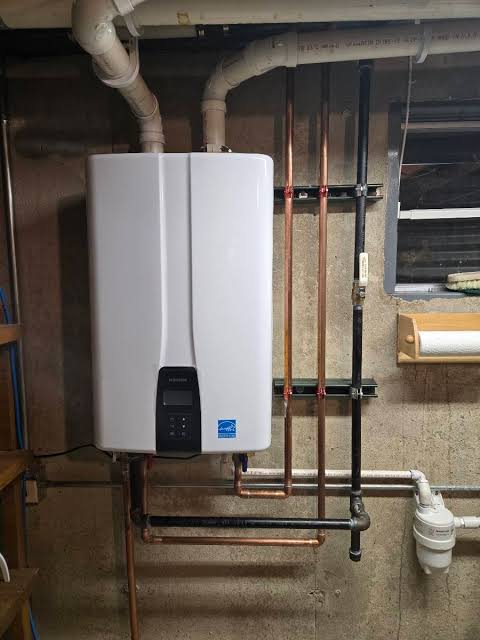
When researching tank/tankless water heaters, start by thinking about how your household actually uses hot water. Traditional tank models store heated water in an insulated tank, making it available when needed. They’re familiar, generally straightforward to install, and can be a practical choice for many homes. However, the stored supply can run out during periods of heavy use, and the tank continually uses energy to maintain its temperature.
Tankless models heat water as it flows through the unit rather than storing a large volume. They can reduce standby heat loss and provide hot water for extended periods when correctly sized. That doesn’t mean they are automatically the best option for everyone. Flow rate, incoming water temperature, fuel type, installation requirements, and simultaneous use all affect performance.
Consider a family where two showers, a dishwasher, and a washing machine might operate close together. The right choice depends on the combined demand, not simply the number of people in the house. A qualified installer can calculate the required capacity and explain whether electrical upgrades, gas-line changes, or ventilation work will be necessary.
Regular maintenance matters, too. Depending on the model and local water conditions, a water heater may need sediment flushing, anode rod inspection, or other manufacturer-recommended servicing. If you notice rusty hot water, unusual noises, leaks, or inconsistent temperatures, have the unit checked rather than assuming it’s just getting old.
Why the Kitchen Needs Special Plumbing Attention
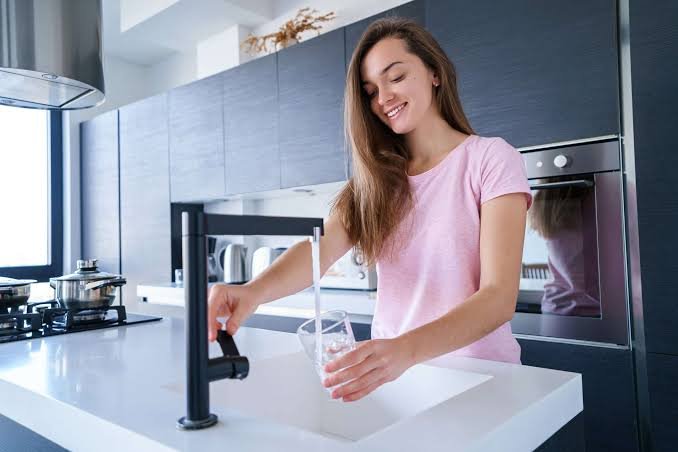
The kitchen is one of the busiest plumbing areas in a home. Water flows through the sink, dishwasher, refrigerator connections, and sometimes a separate drinking-water filter. Because these fixtures are used throughout the day, small problems can quickly become inconvenient.
Good kitchen plumbing starts with reliable connections and sensible everyday habits. Check beneath the sink occasionally for damp cabinet flooring, corrosion, loose fittings, or a musty smell. Flexible supply hoses and drain connections can deteriorate over time, so don’t ignore visible wear. If a refrigerator has a water dispenser or ice maker, its supply line deserves a look as well.
Grease is a common cause of kitchen drain trouble. It may flow easily while hot, but it can cool and solidify farther down the pipe, trapping food particles and other debris. Instead of pouring cooking oil or grease into the sink, allow it to cool and dispose of it in the appropriate waste container. Use a sink strainer to catch food scraps, and avoid treating the drain like a garbage bin.
If the sink drains slowly, begin with simple checks such as cleaning the strainer or removing accessible debris. Be cautious with chemical drain cleaners, especially if you don’t know the pipe material or have already used another product. Mixing cleaners can create dangerous reactions. Persistent clogs, recurring odors, or leaks beneath the sink are good reasons to call a licensed plumber.
Water Pressure, Leaks, and Everyday Efficiency
Water pressure affects how comfortable and efficient a plumbing system feels. Low pressure may make showers frustrating, while excessively high pressure can place extra strain on pipes, valves, and appliances. If pressure changes suddenly throughout the home, the cause might involve a valve, blockage, supply issue, or pressure regulator.
A pressure problem affecting only one faucet may be as simple as a clogged aerator. When multiple fixtures are affected, the issue may require a broader inspection. Avoid making major adjustments without understanding the system, particularly if you live in a property with older plumbing.
It’s worth checking water usage, too. Unexpected increases in your water bill can sometimes reveal a hidden leak. A running toilet or leaking irrigation connection may waste a surprising amount of water without attracting much attention. If you suspect a leak, monitor the water meter when all fixtures and water-using appliances are switched off, provided no equipment needs to run during the check. Continued movement may indicate water use that deserves further investigation.
A Little Maintenance Prevents a Lot of Stress
Plumbing maintenance doesn’t need to take an entire weekend. Set aside time every few months to inspect visible pipes, look under sinks, test appropriate equipment according to manufacturer guidance, and check for signs of moisture around water heaters and basement systems. Keep drains clear through good habits, and arrange professional inspections when recurring problems appear.
It’s equally important to know your limits. Replacing a simple faucet aerator is very different from repairing a gas water heater or working on a pressurized pipe. For complex repairs, persistent leaks, sewage backups, or work requiring permits, use a qualified professional.
A well-maintained plumbing system rarely gets much attention, and that’s probably a good thing. By learning the basics and acting when something seems unusual, homeowners can protect their property, use water more efficiently, and avoid many preventable emergencies. The best time to understand your plumbing is before the next leak, cold shower, or flooded basement gives you a reason to.