TDS full form water
If you’ve ever shopped for a water purifier, compared bottled water brands, or simply wondered why your tap water tastes a little “earthy” some days and totally fine on others, you’ve probably run into the word “TDS.” It’s one of those technical-sounding terms people throw around like everyone automatically knows what it means. But honestly? Most people don’t. And that’s totally okay.
This isn’t one of those stiff, robotic scientific explanations. Think of it as a relaxed conversation with someone who’s obsessed with water quality—but explains things like a real human. So grab a glass (filtered or not), and let’s talk about TDS in the way it deserves to be talked about: clearly, casually, and with some actual usefulness.
So First Things First — What Does TDS Even Stand For?
Let’s break the ice. The TDS full form water experts love quoting is “Total Dissolved Solids.” Sounds intense, right? But it’s basically a fancy way of describing everything in your water that isn’t pure H₂O.
Picture it like this: if you evaporated all the water from your glass and collected whatever dust, minerals, salts, and tiny particles were left behind—that leftover stuff is your TDS.
Some of it is totally normal, even healthy. Minerals like calcium or magnesium? Good. Trace metals and weird chemical contaminants? Not so good. Think of TDS like a “miscellaneous drawer” in your kitchen: useful things mixed in with… mysteries.
Getting a Little Deeper — What Does TDS in Water Mean?
Now, when we talk about tds in water meaning, we’re not talking about one specific thing. TDS isn’t chlorine or fluoride or dirt—it’s the total amount of everything dissolved.
Common dissolved solids include:
- Minerals: calcium, potassium, magnesium
- Salts: sodium, chlorides, sulfates
- Metals: iron, copper, sometimes even lead
- Organics: tiny bits of plant matter or naturally occurring compounds
- Runoff: fertilizers or industrial particles (this is where things get concerning)
The crazy part? Water with high TDS isn’t automatically bad. Water with low TDS isn’t automatically good. It depends on what those dissolved solids are.
This is why some natural spring waters have high TDS but taste amazing—and why some low‑TDS purified waters taste a little… empty.
Alright, Then What Is TDS for Water Actually Used For?
People often ask, what is TDS for water, and the answer depends on what you’re trying to figure out. TDS tells you:
- How “mineral-rich” your water is
- Whether your purifier is working properly
- If your tap water might have contamination
- How your water will taste
- How it might affect your appliances (hard water = cloudy glasses + scale buildup)
It’s kind of like checking your credit score. It doesn’t tell you the full story—but it gives you a big clue about whether you should look deeper.
Ideal TDS Levels — Is There a Magic Number?
Here’s where it gets confusing, because different experts say different things. But let’s simplify it:
0–50 ppm: Very low mineral content (RO or distilled water). Safe, but can taste flat.
50–150 ppm: Usually ideal for drinking—tasty and balanced.
150–300 ppm: Acceptable for most households.
300–500 ppm: Still safe, but may taste “different.”
500+ ppm: Test recommended. Could be natural minerals… or something less friendly.
Again, the number is less important than what makes that number. A water test kit or professional analysis can tell you more.
How Do You Even Measure TDS?
Thankfully, you don’t need a laboratory or a lab coat. A $10 pocket TDS meter from Amazon does the job.
All you do is:
- Dip the meter into a glass of water
- Press the button
- Read the number on the screen
Done. It’s like checking your phone battery—only now it’s your water’s “mineral battery.”
It doesn’t tell you what’s in the water… but it does tell you if something might be off.
Does High TDS Mean Unsafe Water?
Not automatically. If your TDS is 350 ppm because of healthy minerals, you’re fine. But if that number is coming from sodium or industrial residue, that’s another story.
Here’s a quick cheat sheet:
- High minerals: Good for taste and health
- High salts: May cause taste issues
- High nitrates or chemicals: Not good
- High metals: Definitely not good
So TDS is like a warning light—it tells you to look under the hood, but not what the problem is.
What About Low TDS?
Low TDS purified water is super clean, but sometimes too clean. It may taste flat because minerals are stripped out. That’s why many RO systems come with “remineralization cartridges” to put healthy minerals back in.
Some people prefer low-TDS water for brewing coffee or making baby formula. Others find it too flavorless for everyday drinking. It all comes down to personal preference.
TDS and Your Home — Why You Should Care
TDS affects more than just what you drink. It can also change how your home functions:
- Hard water leads to limescale buildup on taps and tiles
- Cloudy glasses in the dishwasher
- Soap not lathering properly
- Reduced lifespan of appliances
High TDS makes water “busy.” Busy water leaves marks, films, and that chalky white coating you scrub off the shower door every weekend.
Filtering TDS — Should You Even Try?
If you want to reduce TDS, you’re basically looking at:
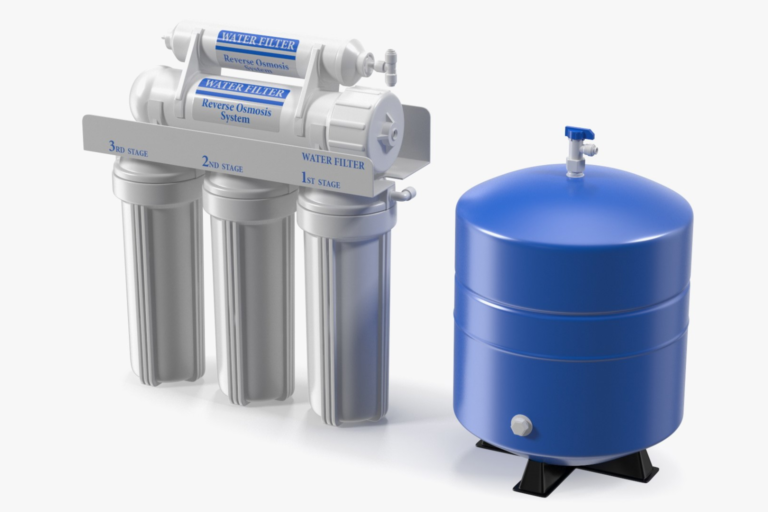
- Reverse Osmosis (best for lowering TDS)
- Distillation
- Deionization
Activated carbon filters (like Brita) don’t reduce TDS much—they remove odors and chemicals but leave minerals behind.
Not all water needs to be “zero TDS.” Sometimes filtering too much removes the good along with the bad.
Final Thoughts — Don’t Fear the Number
TDS isn’t as scary or scientific as it sounds. It’s just a simple measurement of what’s dissolved in your water. And now that you know the tds full form water, you get the picture:
- It helps you judge water taste
- It hints at water purity
- It tells you when a deeper test might be needed
- It helps you choose the right filter
- It gives you control over something you drink every day
Understanding tds in water meaning is about being informed—not paranoid. And now, whenever someone asks what is TDS for water, you’ll be the person who can answer it confidently, calmly, and maybe even with a little humour.