maintain water clarity
Most of us don’t think about our water systems once they’re installed. We turn the tap, fill a glass, and assume everything is working exactly as it should — until small changes start reminding us that even the best systems need a little care.
There’s something quietly reassuring about having a water filtration system at home. It fades into the background of daily life, doing its job without demanding attention. You don’t see it working, but you trust it’s there — keeping your water fresh, safe, and pleasant to use.
And for a while, that trust feels effortless.
Then, slowly, things start to shift.
Maybe the water looks slightly hazy when poured into a glass. Maybe there’s a faint change in taste that you can’t quite explain. Sometimes it’s not even obvious — just a subtle feeling that something isn’t quite the same.
These small clues often signal a simple truth: water systems don’t stay effective forever without maintenance.
And the good news? Keeping them working properly is far easier than most homeowners expect.
Why Clear Water Requires Ongoing Attention
One of the first things people notice when their filtration system is new is how visually clean the water looks.
Clear, sparkling water feels reassuring. It signals freshness and purity — even before you take a sip.
But clarity isn’t permanent.
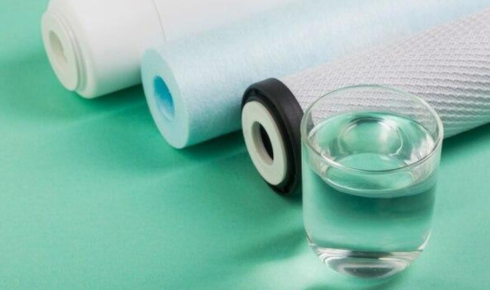
Over time, filters that trap sediment, rust particles, and debris can become saturated. When this happens, they lose their ability to capture contaminants effectively.
Routine maintenance helps maintain water clarity, ensuring that physical impurities continue to be removed before reaching your tap.
It’s one of the simplest yet most important steps in preserving water quality.
Understanding How Filtration Systems Work Together
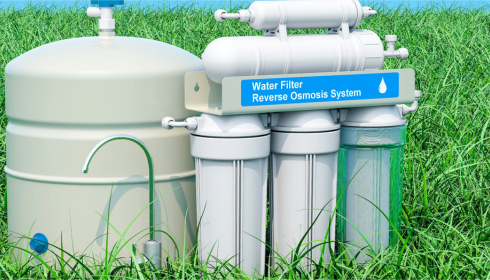
Most modern water treatment systems use multiple stages of filtration rather than relying on a single filter.
Sediment filters handle larger particles. Carbon filters remove chlorine and odors. Reverse osmosis membranes eliminate dissolved contaminants.
Each stage plays a specific role, and when one component becomes overloaded, it can affect the entire system.
This interconnected design means that maintaining individual filters supports overall performance.
Neglecting one stage can reduce the effectiveness of all the others.
The Critical Role of Reverse Osmosis Membranes
Among all filtration components, reverse osmosis membranes are often the most delicate and essential.
These membranes work by forcing water through microscopic pores that block dissolved impurities, including heavy metals, salts, and chemical residues.
But they’re also sensitive to buildup from sediment and chlorine exposure.
Regular pre-filter maintenance helps protect ro membranes, preventing clogging and preserving their ability to remove contaminants effectively.
Without this protection, membranes can degrade prematurely, leading to reduced purification and costly replacements.
Why Consistent Maintenance Saves Money
Many homeowners delay filter replacement because their system still appears to be functioning.
But waiting too long can lead to larger problems.
Clogged filters increase pressure on pumps and valves, forcing systems to work harder and consume more energy. Over time, this added strain can shorten equipment lifespan.
By contrast, consistent maintenance supports extended filter life, allowing each component to function efficiently without unnecessary stress.
In the long run, replacing filters on schedule often costs far less than repairing or replacing damaged systems.
Recognizing the Early Warning Signs
One of the challenges with water filtration maintenance is that systems rarely provide obvious alerts when something needs attention.
Instead, they send subtle signals.
You might notice slower water flow from a dedicated faucet. The water may develop a slight aftertaste. Filters might produce unusual sounds during operation.
Because these changes happen gradually, they’re easy to overlook.
But paying attention to these early signs can help prevent more serious issues.
How Maintenance Improves Everyday Comfort
Beyond technical benefits, regular system care enhances daily living in meaningful ways.
Clean, clear water improves the taste of beverages and cooking ingredients. Showers feel more refreshing when chlorine levels remain low. Appliances operate more efficiently when mineral buildup is minimized.
These improvements may seem small individually, but together they create a noticeable difference in household comfort.
And often, they’re taken for granted until maintenance is neglected.
The Convenience of Routine Scheduling
One of the easiest ways to keep filtration systems functioning properly is by establishing a regular maintenance schedule.
Many manufacturers provide guidelines indicating recommended replacement intervals for different filter types.
Some homeowners choose to handle maintenance themselves, while others rely on professional services to ensure accurate installation and performance testing.
Either approach works — as long as consistency remains a priority.
The Emotional Value of Reliable Water
There’s also a quiet sense of confidence that comes from knowing your water system is well maintained.
You don’t hesitate before filling a glass for a child. You trust the water you use for cooking and beverages. You feel comfortable knowing unseen contaminants are being effectively removed.
This peace of mind may not be visible, but it’s deeply valuable.
It transforms water from a simple utility into a reliable part of everyday life.
Why Maintenance Is Often Overlooked
Despite its importance, water system maintenance is one of the most commonly neglected household tasks.
Unlike visible chores, it happens behind the scenes, making it easy to forget.
But understanding its impact can shift this perspective.
Maintenance isn’t just about replacing filters — it’s about preserving the benefits that filtration systems provide.
The Bigger Picture: Small Efforts, Lasting Results
At its core, maintaining a water filtration system involves simple, routine actions that protect long-term performance.
These small efforts prevent costly repairs, ensure consistent water quality, and extend the lifespan of equipment.
They represent one of the easiest ways homeowners can safeguard both their investment and their daily comfort.
The Bottom Line: Consistency Keeps Everything Flowing
Water filtration systems offer significant improvements in taste, safety, and clarity.
But these benefits don’t happen automatically.
They depend on consistent care, timely filter replacements, and attention to system performance.
By maintaining these habits, homeowners can ensure their water remains clean, reliable, and refreshing for years to come.