water quality education
There’s something quietly reassuring about understanding the basics of your home. You learn how your appliances work, how your space responds to seasons, how little details add up over time. But water? That often slips through the cracks.
It’s always there, always flowing, always doing its job. Until one day, you pause—maybe because of a taste, or a smell, or just a feeling you can’t quite explain—and realize you don’t actually know much about it at all.
And that realization? It’s usually the beginning of something useful.
Why Learning About Water Feels More Practical Than You Expect
At first, the idea of learning about water quality might sound a bit technical, maybe even unnecessary. But once you get into it, it’s surprisingly grounded.
You’re not diving into complex science. You’re just trying to understand what you use every single day—what’s in it, how it behaves, and how it affects your home.
That’s where water quality education becomes valuable in a very real, everyday way. It’s not about memorizing facts or chasing perfection. It’s about noticing patterns, asking simple questions, and building a clearer picture over time.
And once you start, it’s hard not to keep going.
The Small Signs That Start Making More Sense
One of the first things you notice when you pay attention to your water is how many little details were always there.
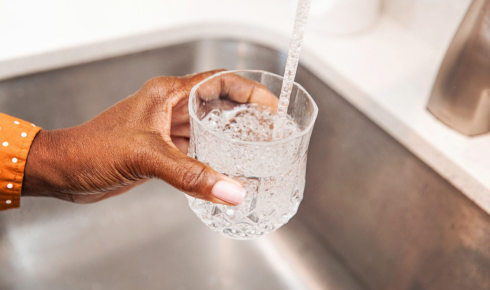
The way soap lathers—or doesn’t. The faint residue on glassware. The occasional smell when the tap first runs. These aren’t random quirks; they’re clues.
And when you begin to connect those clues to what might be happening in your water, things start to click.
It’s not about jumping to conclusions. It’s about observing without ignoring. There’s a difference, and it matters more than we tend to think.
Taking a More Intentional Approach to Daily Water Use
Once you’ve started noticing, the next step feels natural. You begin to think about how your water fits into your daily routine.
Cooking, cleaning, bathing—water touches all of it. And when something feels slightly off, it affects more than just one part of your day.
This is where homeowner water care becomes more than just a phrase. It’s a mindset. A way of being a little more intentional about how your home functions.
You don’t need to overhaul everything. Sometimes, it’s just about small adjustments—choosing a filter, monitoring changes, staying aware.
And over time, those small steps make a noticeable difference.
Testing Without Turning It Into a Big Project
Testing your water is one of those things people often delay. It sounds more complicated than it actually is.
But in reality, it’s one of the simplest ways to move from guessing to knowing.
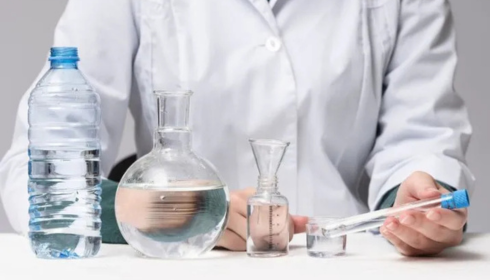
You don’t need to test everything at once. You don’t need a full lab setup. Even basic kits can give you useful insights—hardness levels, chlorine presence, pH balance.
Following general testing recommendations can help you decide what makes sense for your situation. Maybe it’s once a year, maybe only when something changes. The key is to keep it manageable.
Because when testing feels simple, you’re more likely to actually do it.
Understanding Without Overthinking
There’s a temptation to dive deep into every detail once you start learning about water. But you don’t have to.
You don’t need to analyze every number or compare every result to a chart. Focus on what’s relevant to you. What do you notice? What do your results suggest? What feels worth addressing?
It’s less about precision and more about clarity.
And sometimes, clarity comes from stepping back rather than digging deeper.
Living With Better Awareness Feels Surprisingly Easy
One of the most interesting parts of this process is how quickly it becomes normal.
At first, you’re paying attention to everything. You’re noticing changes, comparing experiences, thinking about what’s working and what isn’t.
But over time, it settles.
You don’t constantly think about your water—you just trust it. You use it without hesitation. And that quiet confidence? It’s a big part of what makes the effort worthwhile.
Maintenance Becomes Part of the Routine
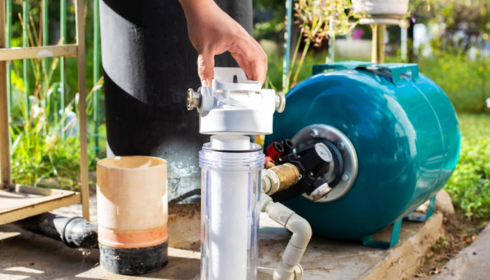
If you decide to make changes—install a filter, adjust your setup—there’s usually some level of maintenance involved.
But it’s rarely as demanding as people expect.
Replacing a filter, checking a system, occasionally retesting—it’s all manageable. It becomes part of your routine, like any other aspect of home care.
And once it’s part of your routine, it doesn’t feel like extra work.
A Long-Term Perspective That Actually Pays Off
Improving your understanding of water isn’t about quick fixes. It’s about long-term awareness.
Over time, you’ll likely notice fewer issues, better consistency, and a general sense that your home is working the way it should.
It’s not dramatic. It’s not something you show off.
But it’s meaningful.
In the End, It’s About Paying Attention to What Matters
Most of us don’t think about water until something pushes us to. A taste, a smell, a small inconvenience that doesn’t go away.
But once you start paying attention—even just a little—you begin to see how important it really is.
You don’t need to become an expert. You don’t need to chase perfection. You just need to stay curious, stay aware, and take small steps when something feels off.
Because when your water feels right—clean, balanced, reliable—it changes your home in ways that are subtle but real.
And sometimes, those are the changes that matter most.