cleanest water in California
There’s something about water that makes it more than just a basic need. Maybe it’s because we rely on it for everything — cooking, hydrating, showering, even watering the herbs on the windowsill. But not all water is created equal, especially in a state as diverse and dramatic as California.
Whether you’re sipping straight from the faucet or hauling reusable bottles to your favorite mountain spring, one thing’s clear: the Golden State offers a wide spectrum of drinking water experiences — from clean and crisp to… well, let’s just say less than refreshing.
So, if you’ve ever wondered where to find the cleanest water in California, or which spring bottles are actually worth the shelf space, buckle up — this is the kind of journey you’ll want to drink in.
Not All Tap Water Is Created Equal
Let’s start with the obvious. Tap water in California can be a mixed bag. Some cities — like San Francisco — are praised for their high-quality municipal supply, thanks to their access to mountain-fed sources like the Hetch Hetchy Reservoir. It’s treated, tested, and often better than bottled options you’d pay for.
But head farther south, and the story changes. Los Angeles, for example, gets its water from a blend of sources — aqueducts, groundwater, and imported supplies. While it’s absolutely safe to drink, many folks find it chlorinated, overly mineralized, or just… off.
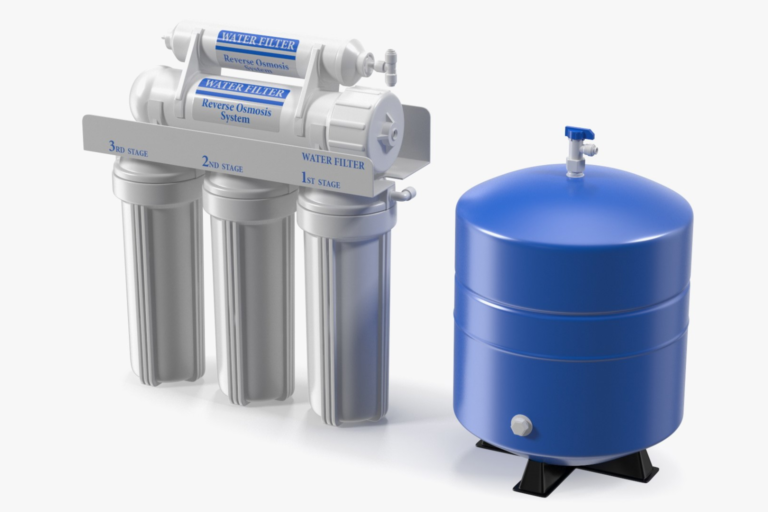
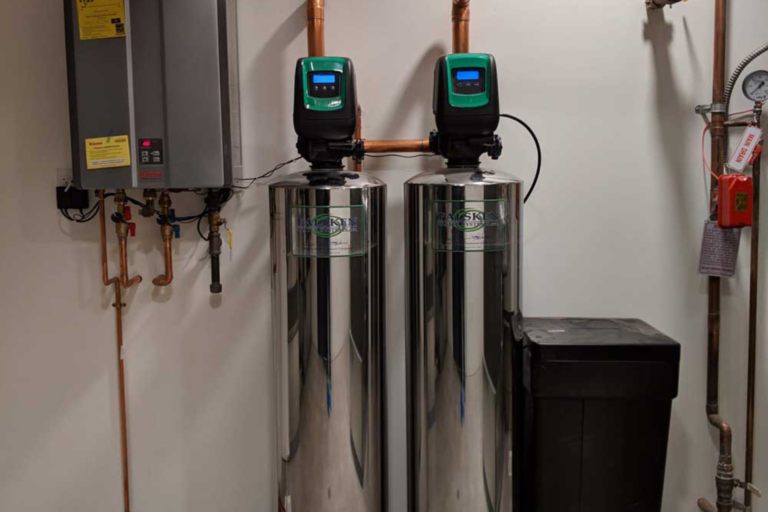
This is where filtration systems come in. A good carbon filter or reverse osmosis unit can elevate your home’s water from tolerable to crisp. But if you really want water that tastes like it belongs in a glass bottle with a cork, you’ll want to explore California’s natural springs.
Seeking the Best Spring Water in the State
For those chasing purity and flavor, spring water is the gold standard. It’s naturally filtered through layers of rock and earth, gathering minerals along the way — kind of like nature’s version of a slow drip coffee process.
In my search for the best spring water in California, I came across a few standouts:
- Castle Rock Water – Bottled at the base of Mount Shasta, this water is about as untouched as it gets. It’s got a clean, smooth taste with a slightly alkaline profile, and the company prides itself on minimal processing. It tastes like snowmelt — because, in a way, it is.
- Fiji’s California cousin: Palomar Mountain Spring Water – Less hyped but equally refreshing, it’s sourced in Southern California and often overlooked. That’s a shame, because the mineral content is just right — not too heavy, not too flat.
- Alpine Spring Water – This one’s a hidden gem tucked away in the northern Sierra. If you’re ever road-tripping near Lassen, fill a jug and thank yourself later.
When it comes to spring water, it’s not just about purity — it’s about mouthfeel, minerality, and that subtle crispness that makes you say “ahh” after the first sip.
So, Where Is the Cleanest Water?
If you define “cleanest” by lab-tested results, several northern California regions top the charts. Towns near the Sierra Nevada range and parts of Mendocino County report remarkably low levels of contaminants and minimal need for chemical treatment.
Some of the cleanest water in California actually comes from small communities with protected watersheds and minimal agricultural runoff. These places might not be known for nightlife or tech startups, but their water? It’s next-level. Often, it doesn’t even need filtering beyond basic safety checks.
That’s not to say urban areas can’t compete. Some cities invest heavily in advanced purification and testing — San Diego, for example, has made huge strides in recent years to clean up and modernize its supply.
But nothing quite beats the source water you find tucked away in a quiet forested canyon, flowing cold and clear from a mossy springhead. It’s water that feels alive.
What Makes Water “Drinkable,” Anyway?
Here’s where it gets real: legally speaking, any water that meets EPA and state standards is considered safe to drink. But ask five different people what good water tastes like, and you’ll get five wildly different answers.
For some, drinkable water just means it won’t make them sick. For others, it’s about low TDS (total dissolved solids), no aftertaste, and a soft, neutral profile that doesn’t compete with their morning coffee or evening tea.
And then there are people like me — mildly obsessed, maybe — who care about things like pH balance, natural mineral composition, and the story behind the source. If you’ve ever chosen your bottled water based on where it was sourced (hello, volcanic aquifers), welcome to the club.
Should You Be Buying or Filtering?
Short answer: depends.
If you’re living somewhere with decent tap water, investing in a home filter might be the best balance between cost and taste. It’s eco-friendly and convenient.
But if you’re after something special — like water that hasn’t been touched by machinery or chemical additives — spring water is where it’s at. Just make sure it’s from a reputable source and tested regularly for quality.
And if you’re one of those lucky Californians who lives near a known spring? Go fill a few jugs and call it your personal spa day.
Final Thoughts: Water That’s Worth the Sip
In a state that’s constantly wrestling with water rights, drought, and infrastructure upgrades, it’s easy to forget that some of the purest, most beautiful drinking water is still flowing freely — in springs, in protected forests, and yes, even in a few tap systems that have quietly perfected their craft.
The next time you take a sip, take a second to notice it. Is it crisp? Flat? Sweet? Bitter? Water has character — and in California, you’ve got plenty of options to explore.