water softener model x
There’s something quietly frustrating about hard water. It doesn’t announce itself dramatically. Instead, it creeps in — cloudy glassware, stiff laundry, soap that refuses to lather properly. You wipe down the faucet only to see chalky buildup return days later. It’s not a crisis, but it’s persistent.
If you’ve reached the point where you’re researching softeners, you’re probably tired of scrubbing scale off shower doors or wondering why your water heater seems to work overtime. Choosing the right system, though, can feel overwhelming. There are specs, grain capacities, regeneration cycles, digital displays. It’s enough to make anyone close the laptop and walk away.
But let’s slow down for a moment. Because picking the right water softener isn’t about chasing the most advanced gadget. It’s about finding something that fits your home, your usage, and your expectations.
Why Hard Water Isn’t Just an Annoyance
Hard water contains elevated levels of calcium and magnesium. These minerals aren’t harmful to drink, but they do leave their mark. Over time, scale accumulates inside pipes and appliances. Water heaters become less efficient. Dishwashers struggle. Even your skin can feel drier after showers.
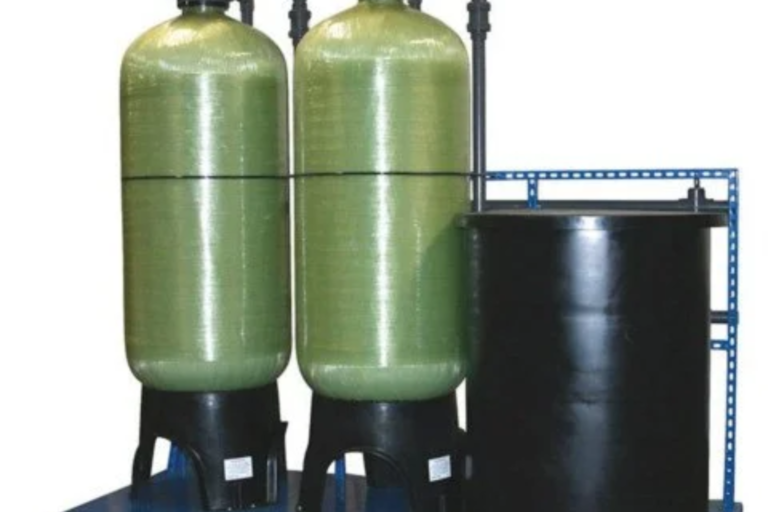
The costs add up quietly — higher energy bills, premature appliance wear, more cleaning products than you’d like to admit. That’s when many homeowners start comparing systems and stumble across options like the water softener model x, which promises to handle moderate to high hardness levels effectively.
The name might sound technical, but the goal is simple: reduce mineral buildup and restore balance to your home’s water.
What to Look for in a Softener
Not all systems are created equal. Some are designed for small households with moderate water usage. Others are built to handle larger families or homes with multiple bathrooms.
When evaluating different units, focus on capacity first. Measured in grains, this tells you how much hardness the system can remove before needing regeneration. Too small, and it regenerates constantly. Too large, and you may pay for capacity you don’t need.
Efficiency matters, too. Modern systems often include demand-initiated regeneration, meaning they recharge based on actual water use rather than a fixed schedule. That can save both water and salt over time.
It’s also worth considering the specific model features offered. Digital monitoring, bypass valves, leak detection alerts — these aren’t just marketing add-ons. They can make day-to-day operation smoother and more transparent.
And honestly, simplicity counts. A system that’s easy to maintain is more likely to be maintained properly.
Installation and Maintenance Realities
Let’s talk about the part that often gets glossed over: upkeep. Even the best softener requires attention. Salt needs replenishing. Resin beds eventually wear out. Periodic cleaning may be necessary.
The good news? Most maintenance tasks are straightforward. Refilling salt once a month (depending on usage) quickly becomes routine. Some homeowners even set reminders on their phones.
Professional installation is usually recommended, especially if plumbing modifications are required. While DIY is possible in certain setups, ensuring correct installation prevents future headaches.
The real payoff comes in the long term. Softer water reduces scale, which can extend the lifespan of water heaters and washing machines. That’s not just convenient — it’s economical.
The Benefits You Actually Notice
It’s easy to get caught up in specifications, but what about real-world impact?
After installing a softener, many homeowners immediately notice cleaner dishes and softer laundry. Soap lathers more easily, so you often use less of it. Showers feel different — smoother, less drying.
These system benefits aren’t dramatic in isolation. But together, they shift your daily experience. It’s a subtle upgrade that touches multiple parts of your routine.
There’s also the efficiency factor. Without mineral scale insulating heating elements, appliances operate closer to their intended performance. Over time, that can mean lower utility costs.
Matching the System to Your Household
One mistake people make is buying based solely on price or brand reputation. A well-reviewed unit might not suit your home’s water hardness level or family size.
Start with testing. Knowing your exact hardness level ensures you choose appropriate capacity. If your water measures extremely high in minerals, a more robust system is justified. For moderate levels, a compact unit may be sufficient.
Consider future needs, too. Planning to add another bathroom? Expecting changes in household size? Factor that in.
A softener is an investment. Taking the time to assess realistically pays off.
Is It Worth It?
That question lingers for many homeowners. After all, hard water isn’t dangerous. You can live with it.
But here’s the thing: quality of life matters. When you stop fighting soap scum and scale, when appliances run efficiently, when skin feels less irritated — those small improvements accumulate.
It’s not about luxury. It’s about reducing friction in everyday life.
And while no system is perfect, choosing one thoughtfully — rather than impulsively — ensures you get value from the investment.
Final Thoughts
Water softeners aren’t glamorous upgrades. They don’t show off like new flooring or modern appliances. But they quietly improve the foundation of your home’s water experience.
If you’re considering a system, focus less on hype and more on fit. Capacity, efficiency, ease of maintenance — these matter more than flashy marketing.
In the end, the right softener doesn’t just change your water. It changes how your home feels day after day. And sometimes, those quiet improvements are the ones you appreciate most.