advanced filtration stages
Most of us don’t give water a second thought. You turn on the tap, fill a glass, maybe notice the temperature — and that’s about it. It’s routine. Automatic. Almost invisible.
But every now and then, something interrupts that routine. A faint smell. A slightly cloudy appearance. A taste that doesn’t quite sit right. Nothing alarming, just… off enough to make you pause.
And once you pause, even for a moment, you start wondering what’s actually happening before that water reaches your glass.
Water Isn’t Just Water by the Time It Reaches You
It’s easy to assume that treated water is uniform — that once it leaves a treatment facility, it stays consistent all the way to your home.
But the journey matters.
Water travels through pipes, sometimes aging infrastructure, sometimes systems that have been in place for decades. Along the way, it can pick up tiny particles, traces of materials, even residual chemicals used during treatment.
You might not see these things directly. But you might notice their effects — subtle changes in clarity, taste, or smell.
That’s where the idea of layered filtration begins to make sense.
Why One Filter Often Isn’t Enough
Early water filters were simple. They targeted one or two issues — maybe chlorine, maybe sediment. And for some households, that was enough.
But as awareness has grown, so has the understanding that water quality isn’t just about a single factor. It’s about a combination of elements working together.
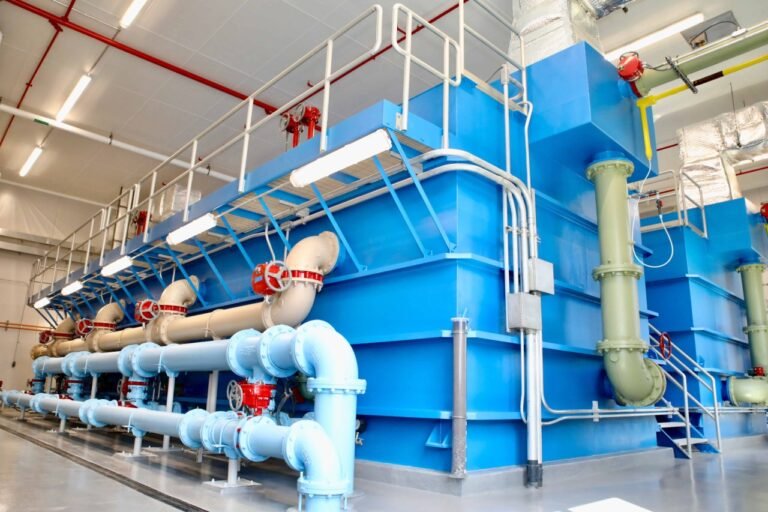
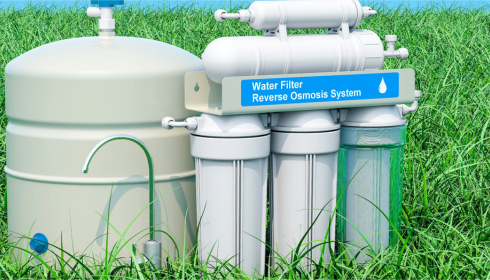
That’s why modern systems often rely on advanced filtration stages — multiple layers, each designed to address a different aspect of water quality.
One stage might capture larger particles. Another might focus on chemical compounds. A third might refine taste and odor.
It’s not about overcomplicating things. It’s about recognizing that water is more complex than it looks.
The First Things to Go: What You Can Actually Notice
If you’ve ever filled a glass and noticed tiny floating particles or a slight haze, you’ve already encountered one of the more visible issues — sediment.
It’s not always harmful, but it’s not exactly appealing either.
And then there’s chlorine. Necessary for disinfection, yes. But it leaves behind that unmistakable taste and smell — the one that reminds you of a swimming pool when you least expect it.
This is where sediment & chlorine reduction becomes one of the most immediate improvements people notice. The water looks clearer. It smells cleaner. It tastes more neutral.
And those changes, while simple, make a real difference in how you experience it.
The Subtle Improvements That Follow
Once the obvious issues are addressed, something interesting happens.
You start noticing things you didn’t expect.
Your morning tea tastes smoother. Coffee feels more balanced. Even cooking becomes a bit more predictable — flavors come through the way they should, without interference.
These aren’t dramatic shifts. They’re subtle, almost quiet. But they add up.
And over time, they reshape how you think about something as basic as water.
It’s Not Just About Drinking
Water quality affects more than what you drink.
It influences how ingredients behave in cooking, how ice forms in your freezer, even how certain beverages feel on your palate. It’s part of your daily routine in ways that are easy to overlook.
And when the quality improves, those everyday interactions become just a little bit better.
Not noticeably at first. But consistently.
Why Consistency Matters More Than Perfection
One of the biggest benefits of a good filtration system isn’t perfection — it’s consistency.
You’re not getting one good glass of water followed by one that tastes slightly off. You’re getting the same experience every time.
And in a way, that reliability becomes part of your comfort at home.
You stop thinking about the water. You stop questioning it. You just use it.
And that’s when you know it’s working.
A Quiet Upgrade That Fits Into Your Life
What makes modern filtration appealing is how seamlessly it integrates into your routine.
There’s no extra step, no complicated process. You turn on the tap, and it’s just… better.
No need to refill pitchers or rely on bottled alternatives. No second-guessing whether the water is “good enough.”
It’s a quiet upgrade. The kind that doesn’t demand attention but improves your daily experience in small, consistent ways.
Finding the Right Approach for Your Home
Not every home needs the same level of filtration. Water sources differ. Local conditions vary. What works in one place might not be necessary in another.
That’s why it’s worth understanding your starting point.
What are you noticing? What concerns do you have? What kind of improvement are you looking for?
From there, the right solution becomes clearer.
It’s less about following trends and more about choosing something that aligns with your needs.
Bringing It All Together
Water is one of those things we rely on without thinking — until something reminds us to pay attention.
And when you do start paying attention, you realize how much it influences your daily life.
From taste to clarity to consistency, even small improvements can make a noticeable difference.
Not in a dramatic, life-changing way. But in a steady, reliable way that becomes part of your routine.
Because in the end, it’s not about making water perfect.
It’s about making it work the way it should — clean, clear, and quietly dependable.
And once you experience that, it’s hard to go back to not thinking about it at all.