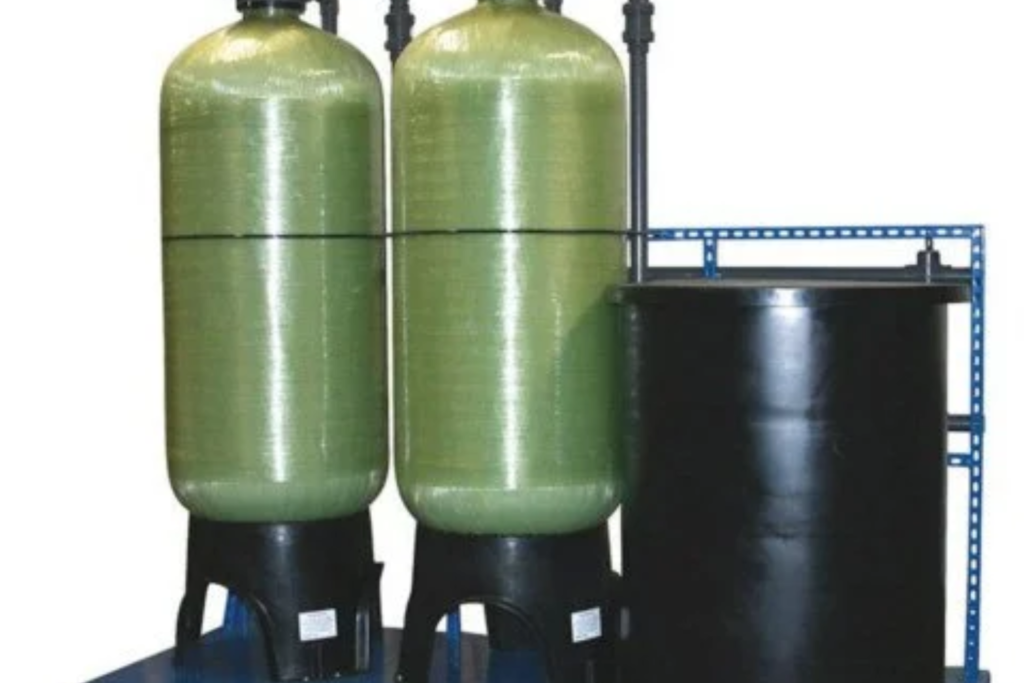
commercial water solutions
Walk into any busy café at 8 a.m. and you’ll see the rhythm of a business in motion. Espresso machines steaming, dishwashers humming, ice bins refilling, hands washing, glasses rinsing. Water is everywhere. It’s the quiet backbone of operations.
And yet, most business owners don’t think about their water until something goes wrong.
A strange taste in coffee. Scale buildup clogging equipment. A dishwasher leaving spots on glassware. Or worse—unexpected downtime because a machine failed prematurely. That’s usually when the conversation around water quality begins.
The truth is, water isn’t just a utility expense in commercial environments. It’s a critical operational asset.
Water Impacts More Than You Realize
In a residential home, water quality affects comfort. In a business, it affects performance, reputation, and revenue.
Restaurants depend on consistent flavor in beverages. Hotels rely on spotless linens and sparkling fixtures. Manufacturing facilities often require precise water quality for production processes. Even office buildings with simple break rooms benefit from clean, reliable supply.
This is where commercial water solutions step in—not as luxury upgrades, but as strategic tools. These systems are designed to address the specific demands of high-volume, high-pressure environments.
Unlike residential units, commercial systems must handle continuous usage without interruption. That changes everything.
The Demand for Higher Capacity
A small under-sink filter works fine in a home kitchen. But in a commercial setting, dozens or even hundreds of gallons may flow through equipment every hour.
That’s why high capacity systems are often necessary. They’re engineered to treat larger volumes without sacrificing performance. Whether it’s a restaurant’s ice machine or a laundromat’s washing equipment, these systems prevent scale buildup and protect machinery under constant demand.
Capacity isn’t just about volume—it’s about consistency. A system that can’t keep up during peak hours becomes a liability. And in business, reliability isn’t optional.
Protecting Equipment and Reducing Downtime
Scale buildup is one of the most common—and costly—issues in commercial environments. Hard water leaves mineral deposits inside heating elements and pipes, gradually reducing efficiency.
In industries that rely on steam, hot water, or precise temperature control, this buildup can disrupt operations quickly. Repairs become frequent. Replacement cycles shorten.
Investing in proper business water treatment isn’t just about cleaner water. It’s about reducing downtime. Every hour a machine sits idle costs money, whether through lost sales or delayed production.
Preventative water treatment often pays for itself by extending equipment lifespan and minimizing emergency service calls.
Taste, Appearance, and Customer Experience
For hospitality businesses, water quality directly influences customer perception.
Coffee brewed with high mineral content can taste bitter or flat. Ice made from untreated water may appear cloudy or carry subtle off-flavors. Glassware washed in hard water often dries with spots.
These details might seem small, but customers notice.
Consistent water quality supports brand consistency. When beverages taste the same every time, trust builds. When linens feel soft and dishes sparkle, guests perceive professionalism.
Water may be invisible on a menu—but it shapes the experience behind the scenes.
Customizing the Right Approach
No two businesses are identical. A manufacturing plant has different requirements than a boutique hotel. A medical facility has stricter standards than a neighborhood bakery.
That’s why commercial water systems are often customized. Some environments prioritize filtration for sediment and chlorine. Others focus heavily on softening to reduce mineral scale. In certain industries, advanced reverse osmosis or deionization systems are required.
The process should begin with water testing and operational analysis. Understanding usage patterns and water composition allows technicians to recommend systems that match real-world needs.
Guesswork doesn’t belong in commercial planning.
Maintenance: The Operational Reality
Installing a system is only half the equation. Maintenance schedules matter.
Commercial systems operate at higher capacities, which means filters and media may require more frequent replacement. Service contracts are common, ensuring performance remains consistent and compliance standards are met.
Routine maintenance protects investment and ensures uninterrupted service. Neglecting upkeep in a business environment carries heavier consequences than in a home.
Consistency is key.
Long-Term Financial Perspective
Business owners naturally focus on cost. But water treatment should be evaluated through a long-term lens.
Consider reduced equipment replacement, lower energy consumption due to minimized scale, and fewer emergency repairs. Factor in improved product quality and enhanced customer experience.
These benefits accumulate over time.
Water treatment isn’t an expense in isolation—it’s part of operational efficiency.
Sustainability and Responsibility
Many companies today are also considering environmental impact. Proper treatment can reduce chemical usage, extend appliance lifespan, and decrease bottled water consumption in office settings.
Sustainability isn’t just about optics. It’s about responsible resource management.
Efficient water systems align operational savings with environmental stewardship—a balance that resonates with both customers and stakeholders.
Final Thoughts
In commercial settings, water is rarely glamorous. It doesn’t headline meetings or appear in annual reports. But it influences nearly every operational detail.
From taste and texture to machinery lifespan and energy use, quality water supports the foundation of daily business activity.
Investing thoughtfully in treatment solutions isn’t about overengineering—it’s about protecting reliability, performance, and reputation.
Because when water works quietly in the background—consistently, efficiently, and predictably—your business can focus on what it does best.
And in the world of commerce, quiet reliability often becomes the strongest competitive advantage of all.