water discoloration
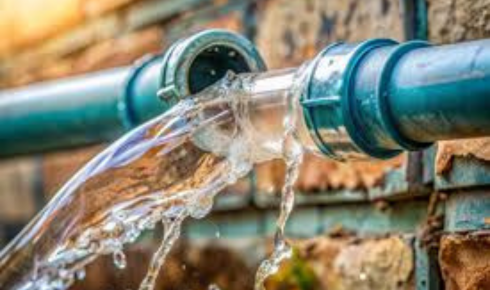
It’s one of those moments you don’t forget. You turn on the tap, expecting clear, crisp water, and instead — boom — out pours a stream that looks like weak tea or worse. Not exactly what you want to bathe in, let alone drink. And while it might feel like a freak occurrence, water discoloration is surprisingly common in homes across the country.
It doesn’t necessarily mean your health is in danger, but it’s not something to shrug off either. Discolored water is your plumbing’s way of waving a flag — and it’s probably time to take notice.
When Your Water’s Not Clear, But the Problem Might Be
Let’s be honest. Most of us take clean water for granted until it turns a weird color or smells off. Then, suddenly, it’s a priority.
Brown or yellow water isn’t just an aesthetic issue. It often signals rust, sediment, or even bacteria in your supply. If you’re on municipal water, it could stem from maintenance on nearby pipes. But if you’re on a well system, things get a little more personal.
Homeowners who rely on wells often face private well issues like sediment buildup, mineral-heavy water, or even surface water intrusion—especially after heavy rains. That’s when natural contaminants from the surrounding soil can sneak in and throw your water quality way off.
The Not-So-Fun Science Behind Discoloration
Here’s where it gets interesting. Discoloration can come from several sources — rust from aging pipes, tannins from decaying organic material (think leaves, roots), or even iron and manganese deposits. And while a little bit of any of these might not be harmful, prolonged exposure? That’s a different story.
It’s not just about what you see. You’ve got to dig deeper — because the stuff you can’t see might be worse than the tint that’s turning your tub orange. That’s where testing comes in.
Don’t Guess. Test.
You wouldn’t ignore a rash on your skin, right? Same logic applies here. That’s why contaminant testing matters so much. It’s not about being paranoid — it’s about being proactive.
A good water test will break down exactly what’s in your supply, from pH levels to heavy metals, bacteria, and volatile organic compounds (VOCs). Some people assume that because water “looks fine” most of the time, it is fine. But discoloration often shows up sporadically — especially after big rainfalls, plumbing work, or long periods of inactivity in your pipes.
Professional water testing kits are readily available, or you can work with a local water treatment company that offers in-home tests. Either way, the point is: if you see odd colors, smells, or tastes, don’t just wonder about it. Get real data.
What’s the Fix? Depends on the Find.
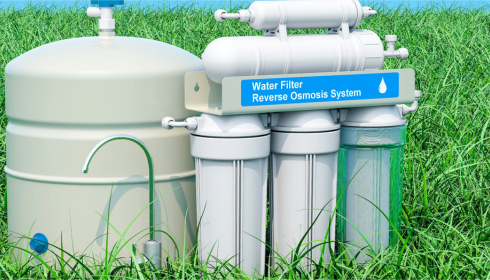
Once you know what’s causing the discoloration, your options open up. If it’s rust or sediment, a whole-home sediment filter might be all you need. For iron or manganese? An oxidizing filter or water softener could do the trick. If the problem is deeper — like organic matter or microbial contamination — you might need a UV disinfection system or a more comprehensive filtration setup.
Every home is different. Every well is different. That’s why it’s so important to match the fix to the actual problem — not just slap on a one-size-fits-all solution because it worked for your neighbor.
Municipal vs. Well: A Tale of Two Waters
If you’re on city water and seeing discoloration, it’s worth checking with your local water authority. Sometimes they’ll issue boil advisories or flushing schedules. But if it’s just your house? That’s probably a sign it’s in your pipes or fixtures.
Well owners, on the other hand, are flying solo. Municipal systems are required to test and treat their water regularly. You, however, are your own water utility. That means it’s on you to test, treat, and maintain.
Routine inspections, shock chlorination, and sediment pre-filters can help keep private well issues in check. It’s not glamorous, but it beats waking up one day with brown water and no idea where to start.
When to Call in the Pros
There’s no shame in needing help. If your water suddenly changes color, pressure drops, or the taste shifts, it’s smart to reach out to a professional. Plumbers, well inspectors, and water treatment specialists have the tools to diagnose and fix things fast — sometimes before damage sets in.
They’ll also catch things you might miss, like corroded plumbing, cross-connections, or backflow issues that could be contributing to discoloration or even contamination.
Peace of Mind in a Clear Glass
At the end of the day, water is the most basic thing we rely on. We cook with it. Clean with it. Bathe in it. We trust it.
So when something feels off — in the way it looks, smells, or feels — don’t wait. Don’t rationalize it. Investigate. Because clear, clean water isn’t a luxury. It’s a baseline.
And once you’ve handled it? That first glass of crystal-clear water tastes so much better.
Final Thought: Listen to Your Water
Your water won’t send you an email when something’s wrong. It shows you in color, smell, and sometimes even sound. When it does, don’t ignore it.