home water purification
There’s something so beautifully simple about turning on a tap and trusting what comes out. You fill up a glass, brew your morning coffee, rinse off after a long day—and barely think twice. But here’s the kicker: in many homes, that crystal-clear flow hides a story of chemicals, contaminants, and unseen problems. Water may look clean, but what’s really in it?
In the past, home water purification was something we associated with people living in remote areas or survivalists stacking up supplies. These days? It’s just part of living smart.
The Invisible Gunk in “Clean” Water
Municipal water systems do a decent job. They treat, filter, and pump it out like clockwork. But by the time that water reaches your faucet, it may have traveled through old pipes, absorbed residual chlorine, or picked up trace contaminants you didn’t ask for. Things like lead, microplastics, nitrates—and yes, even bacteria—sneak into our homes more than we’d like to admit.
If your water has ever smelled like a swimming pool, left spots on glasses, or tasted oddly metallic, your gut instinct isn’t wrong. That’s not just “how water is.” That’s your home asking for help.
Not Just a Fancy Appliance—It’s a Health Move
Let’s get one thing straight: a filtration system isn’t a trendy kitchen upgrade. It’s a quiet health investment—like eating veggies or getting good sleep. Clean water fuels your cooking, hydrates your body, bathes your skin, and steams your food. If it’s carrying junk, your whole household feels it.
Think about your kids drinking from the tap. Think about pets, guests, and morning tea rituals. Isn’t that worth ensuring your water’s truly clean, and not just clear?
Why Taste Matters More Than You Think
You’d be surprised how often people blame their coffee or tea for tasting off—when it’s actually the water. Ever filled a pot for pasta and noticed a film floating on top? That’s not gourmet. That’s your tap’s true face showing through.
Taste is one of the first things to go when water quality drops. And let’s face it, if something tastes bad, we avoid it. We drink less, rely more on bottled water, and waste money avoiding a problem that could’ve been solved at the source.
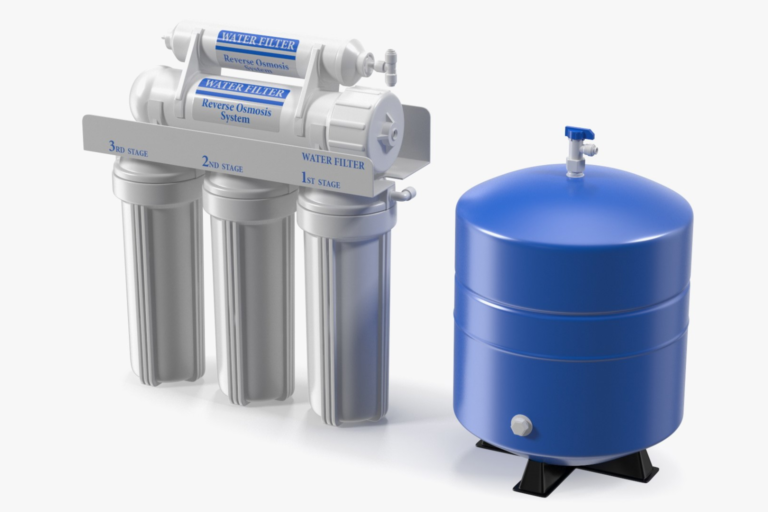
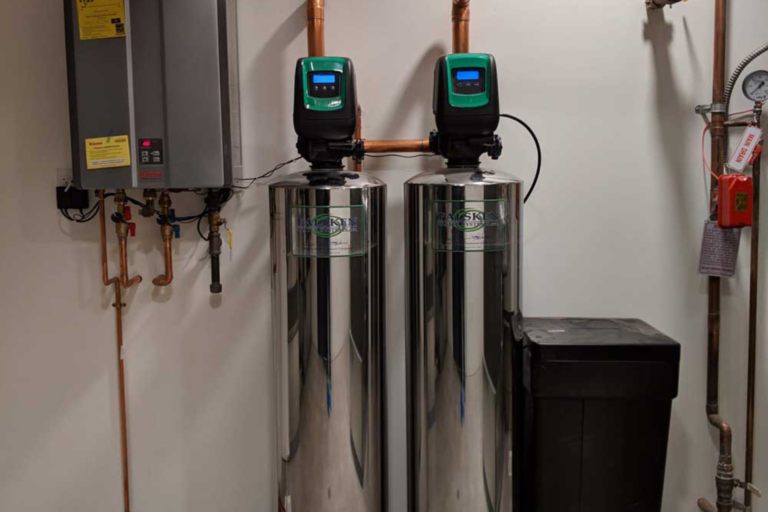
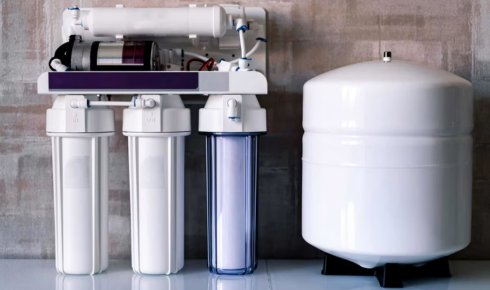
Cue: residential filtration systems. These aren’t big, clunky beasts anymore. Today’s systems are sleek, efficient, and fit right under your sink or integrate with your whole home. And the difference they make? Oh, you’ll feel it after the first glass.
Bottled Water Is Not the Answer
Here’s a controversial opinion: bottled water is a scam. Not only is it a massive environmental burden, but it’s also surprisingly unregulated in many places. What you’re buying is often glorified tap water in plastic wrap—with zero guarantees of better safety.
Plus, the cost adds up. A few bucks here, a few cases there—and suddenly you’ve spent hundreds of dollars a year trying to avoid your own faucet. Installing a solid filtration system at home pays for itself in the long run, saves the planet a few plastic bottles, and restores your trust in what flows from your kitchen sink.
Finding the Right Solution for Your Setup
Not all filters are created equal. Some target chlorine and taste; others trap heavy metals or neutralize bacteria. You’ve got activated carbon filters, reverse osmosis systems, UV light purifiers, and hybrid combos that do it all. Sounds intimidating? It doesn’t have to be.
Think of your home’s water like a fingerprint—unique, with its own quirks. The best systems are tailored. Whether you’re dealing with hard water, sediment, or weird smells, there’s a filter setup that fits like a glove.
That’s why more homeowners are turning toward residential filtration systems designed specifically for everyday use. They don’t just filter—they adapt.
A Little Maintenance, A Lot of Peace of Mind
Let’s be honest: nobody wants another chore. But modern water filtration isn’t some high-maintenance diva. A filter change here, a quick rinse there—that’s it. And the payoff? Smoother showers, better-tasting meals, and fewer worries about what you’re really putting into your body.
Even better, you’ll notice side benefits you didn’t expect. Soap lathers easier. Dishes come out cleaner. Your skin might stop feeling itchy after every wash. That’s the kind of change you don’t forget.
Clean Water Is the Foundation of a Healthy Home
We talk a lot about wellness. We chase skincare routines, plant-based meals, and eight hours of sleep. But if the water that touches every part of our lives isn’t pure, we’re missing a big piece of the puzzle.
Investing in home water purification isn’t flashy or Insta-worthy. But it’s one of the most grounded, sensible things you can do for your family—and for your future self.
It’s the quiet kind of self-care. The kind you don’t brag about, but you feel every time you fill a glass without second-guessing it.
Final Thoughts: Your Water, Your Choice
You don’t need to be a scientist to know what’s best for your home. Just a little curiosity, a bit of research, and maybe a conversation with a water specialist is all it takes to start the journey.