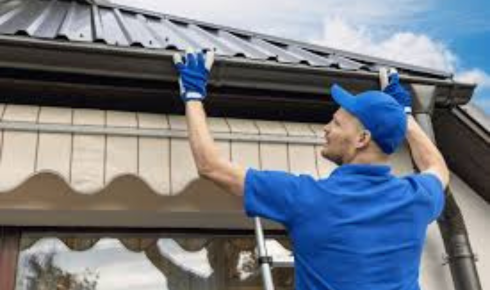
roof replacement in van alstyne
There’s a moment most homeowners can’t quite pinpoint. It’s not dramatic. No big storm, no sudden collapse. Just a quiet realization that something up there… isn’t quite right anymore.
Maybe it’s a ceiling spot that seems to grow a little each week. Or shingles that don’t sit as flat as they used to. Or just a gut feeling — the kind you get when something’s been patched one too many times.
And that’s usually how the conversation about your roof really begins.
The Slow Shift from “Fine” to “Needs Attention”
Roofs rarely fail all at once. They age in layers, almost politely. Materials wear down, seals loosen, edges curl — not enough to panic you, but enough to slowly change how your home is protected.
The tricky part is that this shift is easy to ignore.
Life gets busy. The roof isn’t something you see every day. And as long as nothing feels urgent, it’s easy to put it off.
But roofs don’t really fix themselves. And waiting too long often turns a manageable situation into something bigger.
Knowing When Replacement Makes More Sense
Repairs are great — until they’re not.
There comes a point where fixing isolated issues stops being effective. When the same areas keep causing trouble, or new ones start appearing. When the cost of maintaining the roof starts creeping closer to the cost of replacing it.
That’s when roof replacement in van alstyne becomes a practical conversation, not just a worst-case scenario.
It’s not about rushing into a major project. It’s about recognizing when a fresh start might actually save you time, money, and stress in the long run.
Because sometimes, holding on to an aging roof costs more than letting it go.
Starting with Clarity, Not Guesswork
One of the hardest parts of dealing with roofing issues is simply understanding what’s going on.
Is the damage serious? Is it localized? How urgent is it really?
That’s where a free roofing estimate can make things a lot easier.
It gives you a clearer picture without the pressure. You get to see what’s happening, what your options are, and what each option might involve — all before committing to anything.
And honestly, that clarity can be a relief. Because once you understand the situation, the next steps don’t feel so overwhelming.
It’s Not Just the Roof — It’s the System
Here’s something people don’t always realize: your roof doesn’t work alone.
It’s part of a larger system that includes ventilation, insulation, and drainage. And when one part isn’t functioning properly, it can affect everything else.
Take gutter installation, for example. It might seem like a separate issue, but it plays a huge role in how well your roof performs.
Without proper drainage, water can pool, seep under materials, and cause damage that spreads over time. With well-installed gutters, water is directed away efficiently, reducing strain on the roof and the structure beneath it.
It’s all connected.
Weather Has a Longer Memory Than You Think
We often think of storms as short events. A few hours of wind and rain, and then it’s over.
But your roof experiences those moments differently.
Each storm leaves something behind — even if it’s subtle. A weakened spot, a loosened edge, a small area of wear that wasn’t there before.
And over time, those small changes add up.
That’s why regular checks matter, especially after heavy weather. Not because you expect something to be wrong, but because you want to catch it early if it is.
Materials Matter — But So Does How They’re Used
When people think about roofing, they often focus on materials. And yes, choosing the right materials is important.
But even the best materials won’t perform well if they’re not installed properly.
It’s the details that make the difference — how things are sealed, aligned, and supported. These aren’t always visible once the job is done, but they determine how the roof holds up over time.
A well-installed roof doesn’t just look good. It works better, longer.
The Emotional Weight of an Uncertain Roof
We don’t usually talk about roofing in emotional terms, but maybe we should.
There’s a certain comfort in knowing your home is protected. That when it rains, you don’t have to think twice. That when the wind picks up, everything stays where it should.
When that comfort is shaken — even slightly — it lingers.
You might not notice it right away, but it’s there. In the back of your mind.
Fixing or replacing your roof isn’t just about the physical structure. It’s about restoring that sense of ease.
Choosing the Right Approach Takes Time
There’s no shortage of options when it comes to roofing. Different contractors, different materials, different opinions.
It can feel like a lot.
But the right choice usually becomes clearer when you slow down a bit. Ask questions. Understand your options. Work with people who take the time to explain things rather than rush through them.
Because roofing decisions aren’t just about today. They affect how your home performs for years to come.
Small Habits That Go a Long Way
Even after a repair or replacement, a little maintenance can make a big difference.
- Keep gutters clean so water flows properly
- Check for visible damage after storms
- Don’t ignore small leaks or changes
- Schedule occasional inspections
These aren’t big tasks, but they help keep everything in good shape.
Final Thoughts: Listening Before It’s Urgent
Your roof doesn’t usually demand attention. It asks for it quietly.
A small sign here. A subtle change there.
And the sooner you notice those signs, the easier everything becomes.
Because once problems reach a certain point, you’re no longer planning — you’re reacting.
And honestly, it’s always better to be a step ahead.
So take a moment, every now and then. Look up. Pay attention.
Your roof might not say much, but when it does, it’s worth listening.