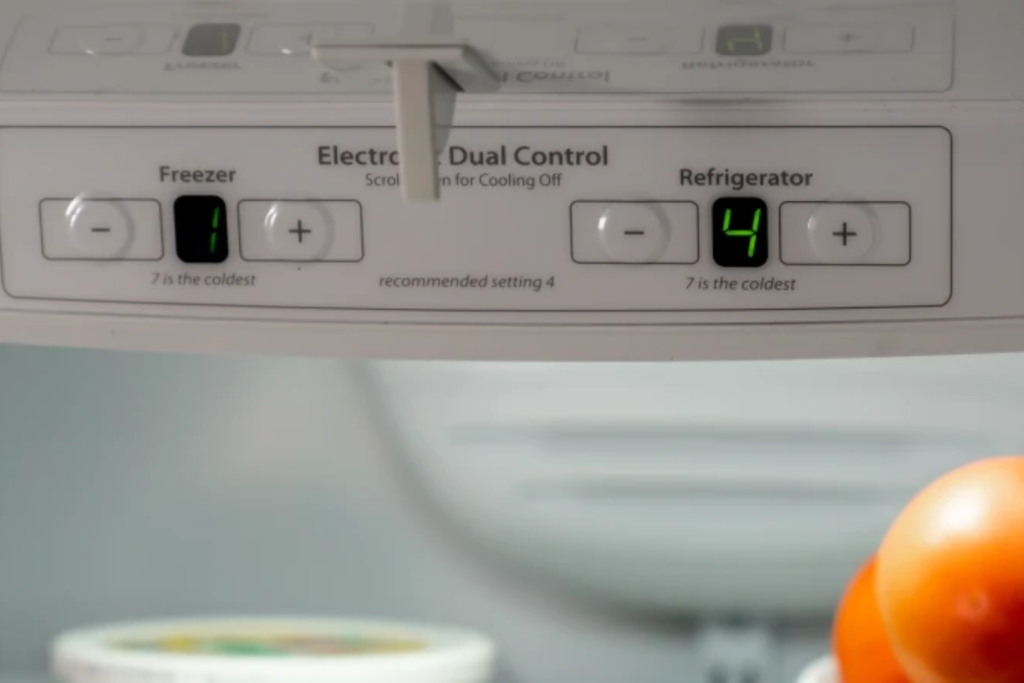
fridge temperature instability
There’s something quietly unsettling about opening your fridge and not quite trusting what you’ll find inside. Maybe the milk feels warmer than it should. Vegetables don’t stay fresh as long. Ice cream turns soft for no obvious reason.
It’s not dramatic. Nothing’s completely broken. But something’s off—and you can feel it.
And honestly, that kind of uncertainty is worse than a full breakdown sometimes. At least when something stops working entirely, you know what you’re dealing with.
The Subtle Signs You Shouldn’t Ignore
Refrigerators are designed to run in the background. You don’t think about them much because you don’t have to. But when things start to shift—slightly warmer shelves, inconsistent cooling, or unusual sounds—it’s often the beginning of a bigger issue.
The tricky part? These changes are easy to ignore.
A bit of fridge temperature instability might not seem urgent at first. You adjust the settings, maybe move a few items around, and hope it sorts itself out.
But temperature fluctuations can point to underlying problems—faulty sensors, blocked vents, or even issues with airflow inside the unit. And over time, those small inconsistencies can affect food safety, not just convenience.
So if your fridge feels unpredictable, it’s usually worth paying attention.
Why Cooling Problems Aren’t Always What They Seem
When a fridge isn’t cooling properly, most people assume it’s a major failure. Something expensive. Something that probably means replacement.
But that’s not always the case.
Sometimes, it’s as simple as overloading the fridge, blocking internal vents, or placing items in a way that disrupts airflow. Other times, it could be dirty condenser coils struggling to release heat.
It’s a bit like trying to cool a room with all the windows closed and the AC filter clogged—it’s working harder than it should, but not effectively.
Understanding this can save you from jumping to conclusions too quickly.
The Heart of the Problem: Understanding the Compressor
If there’s one component that often gets blamed—and sometimes rightly so—it’s the compressor.
Think of it as the engine of your refrigerator. It circulates refrigerant, maintains pressure, and essentially keeps the cooling cycle going.
When something goes wrong here, things can get complicated.
That’s where compressor troubleshooting becomes important. It’s not just about checking if the compressor is running, but understanding how it’s performing. Is it cycling too often? Not starting at all? Overheating?
These details matter.
And diagnosing compressor issues isn’t something you can usually do by guesswork. It requires testing, observation, and a bit of technical know-how.
Airflow: The Hidden Player in Cooling Efficiency
One of the most overlooked factors in fridge performance is airflow.
Cold air needs to circulate evenly throughout the compartments. If vents are blocked—by food containers, ice buildup, or internal obstructions—the cooling becomes uneven.
You might notice one section freezing while another feels warm.
It’s subtle, but it’s a clear sign something’s not right.
Keeping vents clear and ensuring proper spacing inside the fridge can make a surprising difference. It’s one of those small adjustments that can improve performance without any repairs.
When DIY Helps—and When It Doesn’t
There’s no harm in trying a few basic fixes yourself. Cleaning the coils, checking door seals, adjusting temperature settings—these are all simple steps that can sometimes solve minor issues.
And honestly, it feels good when it works.
But when the problem goes deeper—electrical components, refrigerant levels, or compressor behavior—it’s usually better to step back.
Fridges are more complex than they appear. One wrong move can turn a manageable issue into something far more expensive.
Knowing when to stop is just as important as knowing where to start.
The Role of Consistent Maintenance
Here’s something many people overlook: refrigerators need maintenance too.
Not constant attention, but occasional care.
Cleaning condenser coils, checking door gaskets, ensuring proper airflow—these small tasks can extend the life of your appliance significantly. They also help prevent those subtle issues from turning into major repairs.
It’s not about perfection. Just a bit of regular attention.
Repair or Replace? It’s Not Always Obvious
When a fridge starts acting up, the question inevitably comes up—should you repair it or replace it?
The answer depends on the severity of the issue, the age of the appliance, and the cost of repair.
But here’s the thing: many problems that seem serious at first aren’t as bad as they appear. Temperature inconsistencies, airflow issues, even some compressor-related problems can often be fixed.
The key is getting a clear, honest assessment.
Not every repair is worth it—but many are.
Back to Reliable Cooling, Without the Guesswork
There’s a certain peace of mind that comes with a fridge that works properly. You don’t second-guess your food. You don’t worry about spoilage. Everything just… functions the way it should.
It’s quiet, consistent, and easy to forget about.
And maybe that’s the goal.
Because in the end, a good repair isn’t about impressing you with complexity. It’s about removing the uncertainty—so you can get back to not thinking about your fridge at all.