improve drinking water
It’s a daily ritual for most of us. We turn on the faucet, fill up a glass, maybe plop in a lemon wedge or a few ice cubes—and down it goes. Water, simple and pure… or at least, that’s the idea.
But if you’ve ever taken a sip and paused—just a split second longer than usual—because something didn’t taste quite right, you already know what we’re about to talk about.
Clean water isn’t just about being clear. It’s about confidence. And that’s what so many households are missing. So, let’s talk about the why, the how, and the real-world changes you can make to improve drinking water in a way that’s not just effective—but easy to live with, day in and day out.
When “Safe” Doesn’t Mean “Good”
Here’s something that might surprise you: even water that meets federal safety standards can still taste funky, carry residual chemicals, or leave you with dry skin and brittle hair. That’s because water treatment facilities are primarily focused on eliminating the big threats—bacteria, parasites, and harmful viruses.
But what about chlorine? What about heavy metals from aging pipes? What about pesticides that sneak in from nearby farmland or trace pharmaceuticals flushed into the system?
These things don’t always trigger an alert. But they can still end up in your glass.
And while bottled water might seem like a quick fix, it’s not sustainable—or all that transparent. You’re not guaranteed better quality. You’re just paying more for plastic.
That’s where home filtration really earns its stripes.
Understanding the Layers: It’s More Than Just One Filter
Most people picture water filtration as a single magic cartridge—stick it under the sink, and bam! Perfect water.
Not quite.
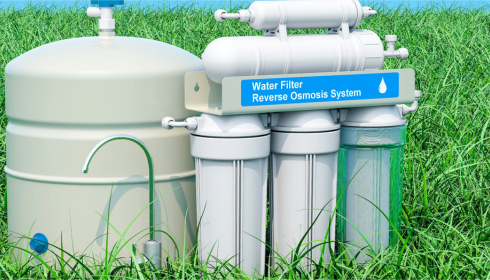
The truth is, high-quality systems work in filtration stages. Each one plays a specific role: one filter might catch sediments and dirt, another targets chlorine and chemicals, while another uses activated carbon to absorb odors and weird tastes. Some even add a UV layer to neutralize bacteria and viruses.
It’s like a tag team working behind the scenes. Each layer isn’t perfect on its own—but together? They can transform that basic tap water into something you actually want to drink. And cook with. And fill your dog’s bowl with. It’s a subtle difference, but once you experience it, there’s no going back.
Why Certification Isn’t Just a Fancy Sticker
You’ve probably seen filters at the store—some name-brand, some with off-brand packaging, all promising to make your water taste like it came from a mountain spring.
But here’s the thing: anyone can say they remove this or that. The question is—who’s checking?
That’s why opting for certified filtration systems matters. Look for certifications like NSF or WQA, which require products to be independently tested and verified. These aren’t just sales gimmicks—they ensure the system actually does what it claims, whether that’s reducing lead, neutralizing chlorine, or filtering out microbial contaminants.
It’s not just about safety—it’s about trust. And when it comes to your drinking water, that’s priceless.
So… What Will You Actually Notice?
Aside from peace of mind? Plenty.
- Your water tastes better. Like… noticeably better.
- Your morning coffee or tea? Brighter, smoother, and more flavorful.
- No more mystery white spots on your glasses or scaly build-up on your kettle.
- Your skin starts feeling a little less dry, your hair a little softer.
- You start drinking more water. Because, well, it finally tastes like something you want to drink.
It’s not flashy. No one’s going to throw a parade because your water doesn’t smell like a public pool anymore. But trust me—it makes a difference in your day-to-day life.
Don’t Overthink It. Start Simple.
Maybe you’re reading this thinking, “Okay, but I don’t know where to start.”
Good news: you don’t have to overhaul your entire plumbing system overnight.
Start with testing. A basic home water test kit can reveal what’s floating under the radar—chlorine, hardness, heavy metals, even bacteria. Once you know what’s in your water, you can find a system that’s designed to handle it. That could be a countertop unit, an under-sink setup, or a whole-house system if you’re all-in.
Even a single-stage carbon filter can dramatically improve drinking water quality—especially if you’re dealing with taste and odor issues. And from there, you can level up to more advanced filtration stages if and when it makes sense.
No pressure. No overwhelm. Just one upgrade at a time.
One Last Thought: Water Is Worth It
We spend so much time and money worrying about what’s in our food, what’s on our skin, what’s in our cleaning supplies… but water? It’s the one thing we use more than anything else, and yet it’s often the last thing we think to improve.