water treatment
There’s something almost invisible about comfort. You don’t always notice when your home feels good—you just move through your day without friction. You pour a glass of water without hesitation. You take a deep breath without thinking twice. You shower, cook, clean, and go about life in a space that simply works.
But when something’s slightly off, you feel it.
Maybe the tap water tastes faintly chemical. Maybe your skin feels dry after every shower. Maybe the air indoors feels heavy, especially in the winter. These aren’t dramatic problems. They’re subtle. But subtle discomfort adds up.
And more people are beginning to realize that creating a healthier home isn’t about aesthetics. It’s about the basics—water and air.
Why Water Deserves More Attention
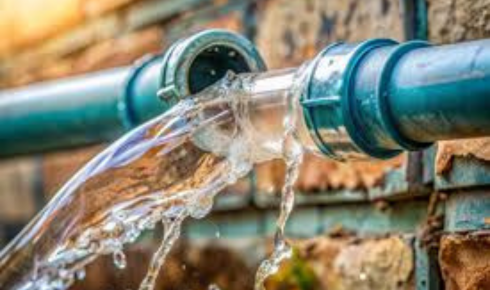
Water flows through nearly every part of your home. It touches your dishes, your laundry, your skin, and your coffee. Yet most homeowners rarely question what’s in it unless something obvious happens.
That’s where thoughtful water treatment comes in.
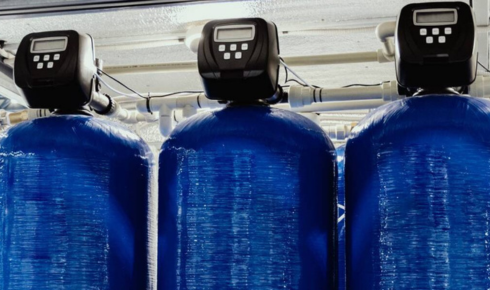
This doesn’t mean assuming your water is dangerous. In many regions, municipal water meets regulatory standards. But treatment systems can refine what’s already there—reducing excess minerals, minimizing chlorine taste, and filtering out sediment before it reaches your faucets.
The goal isn’t perfection. It’s consistency.
When water tastes neutral and feels balanced, you stop noticing it. You drink more of it. You worry less. And you spend less time scrubbing residue from fixtures or replacing scale-coated appliances.
For well water users, the conversation shifts slightly. Private wells aren’t regulated the same way municipal systems are. Testing becomes essential. Once you understand your water profile, targeted filtration can address specific concerns without overcomplicating things.
The theme is simple: know what you’re working with, then improve it thoughtfully.
Beyond Taste: What “Safer” Really Means
Safety is a word that carries weight. It can spark anxiety if not handled carefully.
But pursuing safer water isn’t about panic. It’s about reducing uncertainty.
Testing for hardness, pH, bacteria, or specific contaminants provides clarity. If everything falls within safe ranges, you gain peace of mind. If adjustments are needed, solutions exist.
Carbon filters reduce chlorine. Softeners manage hardness. UV systems address microbial risks in well setups. Reverse osmosis systems refine drinking water further.
It’s not about assuming the worst. It’s about understanding your baseline.
When you trust what flows from your tap, you move through daily routines more comfortably. That trust is quiet, but powerful.
Don’t Forget the Air
While water plays a huge role in household health, air often gets overlooked.
Think about how much time you spend indoors. Bedrooms. Kitchens. Home offices. Living rooms. We breathe this air constantly, yet rarely consider what’s floating in it.
Dust, pet dander, pollen, cooking fumes—these particles accumulate. In some homes, humidity levels swing dramatically between seasons. Stale air lingers in poorly ventilated spaces.
Improving indoor air quality doesn’t require drastic measures. Sometimes it’s as simple as better ventilation, upgraded HVAC filters, or standalone purification units.
When you notice fresher air indoors, the difference can be immediate. Fewer allergy symptoms. Less dust settling on surfaces. A general sense that the environment feels lighter.
It’s one of those upgrades that doesn’t show up in photos—but you feel it.
The Overlap Between Water and Air
Water and air might seem like separate concerns, but they intersect more than you’d think.
Hard water can leave mineral residue that becomes airborne as dust. High humidity encourages mold growth. Chlorinated water used in hot showers can release trace vapors into the air.
By addressing water quality, you often indirectly improve air quality as well.
It’s all connected.
Practical Steps You Can Take
If this all sounds overwhelming, take a breath. It doesn’t need to be.
Start small.
- Review your local water quality report.
- Consider a basic water test, especially if you use a well.
- Replace HVAC filters regularly.
- Improve ventilation in high-moisture areas like bathrooms and kitchens.
- Address obvious signs of mineral buildup or stale air first.
You don’t have to overhaul your entire home at once.
Gradual improvements often lead to the most sustainable results.
It’s About Comfort, Not Fear
There’s a fine line between awareness and alarmism. The goal here isn’t to suggest that every home has a hidden crisis.
Most don’t.
But there’s value in refining the environment you live in daily. Cleaner water. Better air. Fewer irritants.
Small adjustments can make everyday life feel smoother.
Final Thoughts
A healthier home doesn’t require dramatic renovation. It starts with the essentials.
Thoughtful water treatment supports comfort and efficiency. Seeking safer water builds confidence in daily routines. Improving indoor air brings subtle but meaningful relief.
These aren’t flashy upgrades. They’re foundational ones.
And when your home’s water and air work quietly in your favor, you don’t think about them at all.
You just live.