ignition problem solutions
There’s a special kind of annoyance that comes from preparing a meal, setting everything up, and then realizing your cooktop isn’t doing what it’s supposed to. You turn the dial, but nothing sparks. Or maybe it sparks—but only after a wrestling match. And then there’s that one burner that cooks like it’s in a different time zone.
We get it. Modern appliances are built to make our lives easier, but when they act up, they can turn the simplest task into a time-consuming, head-scratching ordeal. Whether you’re a seasoned home chef or someone who just wants to boil water without drama, let’s talk about what could be going wrong—and how to actually fix it.
That Silent Click or Flicker: What’s Up with the Ignition?
Gas cooktops are pretty intuitive—you turn the knob, hear that click-click-click, and boom: flame. But what happens when the clicking keeps going… and going… and nothing happens? Or worse, there’s no sound at all?
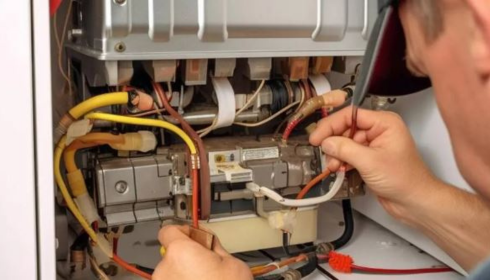
Welcome to the world of ignition problem solutions. These issues are more common than you think, and they usually creep up slowly. At first, you notice a delay in ignition. Then, the clicking becomes erratic. Eventually, one or more burners flat-out refuse to light. This could be due to gunk buildup around the igniters, loose wiring, or faulty spark modules. Sometimes it’s as simple as a power connection issue—yes, gas cooktops need electricity to spark.
Cleaning the burner heads is a good first step, but if you’re dealing with recurring issues, it’s time to call in someone who can pinpoint the real cause. Guesswork and gas are not a safe combo.
“Why Is My Pan Either Burnt or Barely Warm?”
Let’s talk temperature—specifically, why your cooktop seems to have no chill. Or heat. If you’re using an electric cooktop or a gas model with inconsistent heat, the issue could lie with the internal regulators or sensors.
This is where temperature control repairs come in. These repairs focus on the parts responsible for telling your burners how hot—or not—they should be. Thermostats, simmer sensors, and control boards can all go rogue after a few years of use, especially if you cook daily.
You’ll notice it when your dishes go from perfectly seared to undercooked, or when adjusting the knob feels like a game of roulette. A repair technician can test the voltage flow and resistance in these components to determine if they’re functioning correctly—and if not, replace them without gutting your entire appliance.
The Right Tech Makes All the Difference
Here’s something people don’t talk about enough: not all repair technicians are created equal. A rushed or underqualified one might swap out the wrong part, misdiagnose the issue, or even damage something else in the process.
That’s why working with a reliable repair service can save you more than just money—it saves you stress, time, and a whole lot of second-guessing. Look for providers with good reviews, brand familiarity, and technicians who actually explain what they’re doing (and why). It shouldn’t feel like a mystery—you deserve to understand what’s going on with your own kitchen equipment.
Pro tip: Ask if they carry common parts with them. A good repair tech will usually have the basics for most brands, so you’re not stuck waiting days for a tiny part to arrive.
Maintenance: The Unsung Hero of Appliance Health
Let’s be honest. Most of us don’t think about maintaining our cooktops until they stop working. But just like a car or computer, these machines need occasional love too.
Wipe down burner heads and knobs regularly. Avoid spills pooling near the igniters. For electric models, inspect the coils or glass surface every few months for cracks or warping. A little care now saves a ton of money later—and it keeps your cooktop performing like new.
If you’re unsure what kind of upkeep your appliance needs, a repair pro can offer tips based on your usage style. And no, it doesn’t have to be a big, expensive service call—sometimes it’s just a quick check-up that gives you peace of mind.
Knowing When to Repair and When to Let Go
Not every issue is worth repairing. If your cooktop is more than 10 years old and keeps breaking down, you might be better off putting that repair budget toward a new model. But if this is its first hiccup and the fix is affordable, repairs are almost always worth it.
Make your decision based on the age, brand, cost of repair, and—let’s be real—how much you actually use it. If your cooktop is the centerpiece of your kitchen, it deserves attention. If it’s more of a backup to your air fryer, maybe don’t spend a fortune on it.
Final Thoughts: Cooking Shouldn’t Be Complicated
You don’t need to be a Michelin-star chef to expect your cooktop to work properly. Whether it’s finicky ignition, unpredictable heat, or just something that doesn’t feel right, trust your gut. It’s better to investigate a small issue now than deal with a big breakdown later.
With the right ignition problem solutions, timely temperature control repairs, and a reliable repair service on speed dial, your cooktop can be back in action without much fuss.