main sewer line service
We tend to overlook what’s buried beneath us — until, of course, something backs up, overflows, or smells suspiciously like last week’s regrets. Beneath our streets, homes, and businesses lies a complex system of drains, pipes, and sewers, quietly working round the clock. And just like anything else that works hard in the background, it occasionally needs a little attention — or in some cases, a full-blown intervention.
Let’s talk drains, sewers, and the services that save us from water damage disasters. But not in a dry, boring, instruction-manual way. This is your no-BS guide to why sewer and drain maintenance matters more than most of us realize.
Rain Doesn’t Just Go Away — It Has to Go Somewhere
Picture this: a thunderstorm hits your neighborhood. The rain falls fast and heavy. But if it can’t find its way to a storm drain, guess where it goes? Yep — straight into your yard, your basement, or pooling at the foot of your driveway.
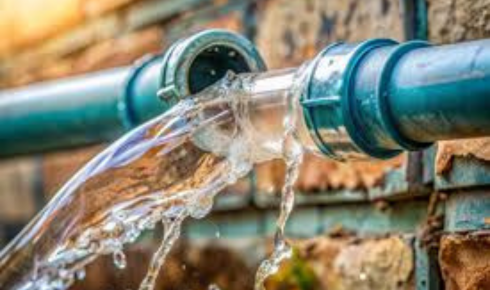
This is where storm drain clearing comes in. These grates and underground tunnels are designed to quickly move rainwater away from streets and properties. But over time, leaves, trash, and all sorts of gunk can clog them up. If left unchecked, even a moderate downpour can become a flood hazard.
It’s not just about inconvenience — it’s about preventing real damage. Routine clearing ensures water flows freely, protecting roads, foundations, and your peace of mind.
Not All Pipes Are Created Equal: The Main Sewer Line Matters
Now let’s move from rainwater to something… a little less pleasant.
Your home has various drain lines — from sinks, showers, toilets — all of them eventually leading to the main sewer line. That main line is the big kahuna, the final exit route for all wastewater. If it backs up, you’re in serious trouble. Think sewage in the bathtub. Not fun.
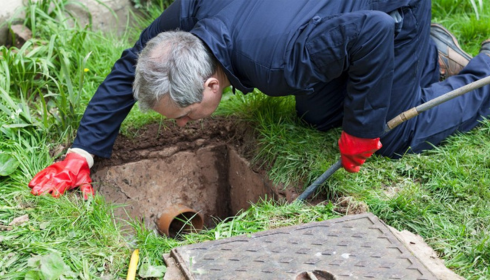
A professional main sewer line service doesn’t just respond to emergencies. It prevents them. Think of it like getting your car’s oil changed. You’re not just fixing issues — you’re preventing bigger ones down the road.
These services typically involve inspecting the line using a camera, clearing roots or blockages, and making sure everything flows the way it’s supposed to. If you’ve noticed recurring slow drains or bubbling toilets, that main line might be waving a red flag.
The Unclogging MVP: Snaking the Sewer
Ah yes, the ol’ plumber’s snake. Not exactly glamorous, but incredibly effective. When you’ve got a nasty clog and plungers or hot water just aren’t cutting it, sewer snaking becomes your best friend.
Here’s how it works: a long, flexible metal cable is inserted into the drain, working its way toward the blockage. It breaks up or grabs the clog so water can start moving again. It’s not high-tech, but it’s efficient. Especially in older homes where the pipes might not handle aggressive jetting.
The great thing about sewer snaking? It targets the problem without requiring a full excavation. It’s the kind of old-school, tried-and-true method that can rescue your weekend from becoming a biohazard cleanup job.
Common Culprits That Wreak Havoc on Your Drainage
You’d be surprised what ends up down drains. And not in a fun, quirky way. More in a “who put bacon grease and wipes in the same pipe?” way.
Some of the worst offenders include:
- Grease — It cools and hardens, creating a sticky mess.
- “Flushable” Wipes — Spoiler: they’re not really flushable.
- Tree Roots — These sneaky invaders love cracking into older pipes.
- Hair & Soap Scum — A classic duo that slows things down.
- Sand and Dirt — Especially near outdoor drains or after landscaping work.
Just because something disappears down the drain doesn’t mean it’s gone. It could just be loitering deeper in your system, waiting to cause chaos.
When to DIY and When to Call a Pro
We’ve all tried to handle a clog with a plunger and some elbow grease. Sometimes it works. Sometimes it… really doesn’t.
If you’re dealing with:
- Water backing up in multiple drains
- Foul smells that don’t go away
- Gurgling toilets when you run the sink
- Standing water near your floor drains or in the yard
…then it’s time to stop playing plumber and get a real one on the line.
Professionals bring not just tools, but experience — knowing when to snake, when to jet, and when to excavate. And let’s be honest — they’ve seen it all. You’re not going to surprise them with whatever’s down there.
Maintenance Isn’t Sexy — But It’s Smart
Here’s the truth: sewer and drain services aren’t flashy. You’re not going to Instagram your newly cleared main line or the storm drain you just had serviced.
But that doesn’t mean it’s not worth investing in.
Set up a maintenance schedule. Even once a year can make a huge difference. Inspections, cleanings, and minor fixes cost far less than water damage, mold remediation, or full sewer line replacements.
Think of it like flossing for your home. Nobody loves doing it — but you’ll be thankful you did when things don’t go south.
Don’t Wait for the Overflow
One of the worst things about sewer and drain issues is how silent they can be… until suddenly, they’re not. A small root intrusion grows. Grease buildup slowly narrows the pipe. And then one day — boom. Water where it shouldn’t be.
The best approach? Be proactive. Get ahead of the problem. Know your home, your plumbing history, and don’t ignore the warning signs.
And if it’s already too late — if there’s water on the floor or a smell that won’t quit — call someone immediately. The sooner you act, the less damage you’ll face.
Final Thoughts: Underground, but Not Unimportant
Sewer lines and storm drains are like the unsung heroes of modern living. We don’t see them. We don’t think about them. But without them, our homes — and our lives — would be a whole lot messier.
So next time the rain falls or your sink gurgles, give a little nod of respect to the systems making life cleaner, drier, and way more comfortable. And maybe even schedule a maintenance call — before the next storm hits or your pipes decide they’ve had enough.